
Practical guide
Litter Box Setup for Multi-Cat Homes: Placement, Number, and Type
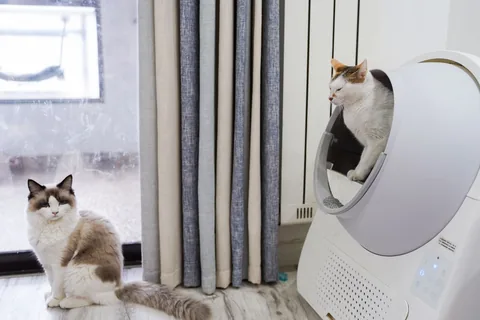
The one-box-per-cat-plus-one rule explained with real placement and traffic-flow reasoning, for households adding a second cat or troubleshooting avoidance.
Cats ask for a different kind of attention than dogs do, and this section is built around that difference. We cover cat behaviour in plain language, from body language to the reasons behind scratching or hiding, health and wellbeing basics that help you catch problems early, and food and feeding without vague marketing claims about what a cat "needs."
We also track the stages and settings that shape daily life: kittens finding their footing, senior cats slowing down and needing softer routines, and the realities of indoor cat life for the many cats who never go outside. Enrichment and play sit close by, since a cat's environment matters as much as its food bowl, alongside honest notes on cat breeds and the everyday gear worth actually owning.
Bringing a cat home for the first time? Start with our room-by-room guide to preparing your home for a new cat, which covers the setup that matters in week one rather than a shopping list of extras. If enrichment is what you are after, our notes on the best types of toys for indoor cats live in Tested & Loved. And if you are adopting rather than buying, our guide to adopting a cat from a shelter covers the questions worth asking before you commit.
Topics we cover
The one-box-per-cat-plus-one rule explained with real placement and traffic-flow reasoning, for households adding a second cat or troubleshooting avoidance.
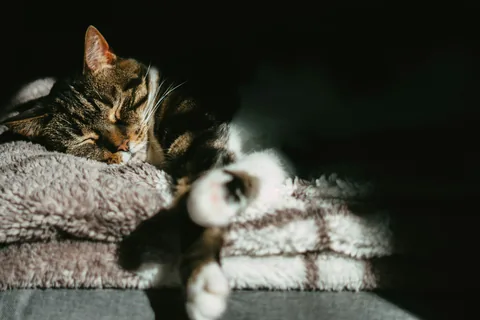
A running glossary of common cat behaviours, kneading, chattering, slow blinking, loafing, that separates normal from worth watching.
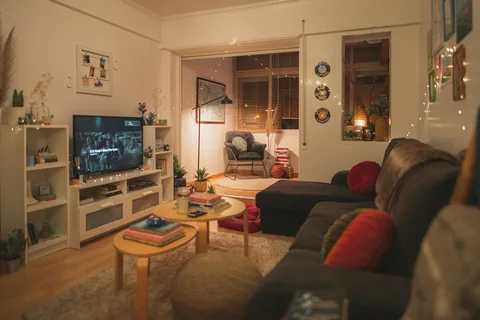
A practical, room-by-room guide to preparing your home before a new cat arrives, from safe spaces to the supplies that actually matter in week one.
Why this one: it is the guide most new cat owners need before the cat even arrives, and the one every other Cats guide eventually links back to.
Yes, often more. Without outdoor access, an indoor cat depends entirely on you for physical activity and mental stimulation, which is why rotating toys and creating vertical space matters more than it might seem.
Watch for changes from their normal baseline: hiding more than usual, over-grooming, litter box avoidance, or reduced appetite. Cats are subtle communicators, so a shift in routine is often the clearest signal.
Switching foods too quickly. A cat's digestive system adjusts slowly, so any change in diet is best introduced gradually over one to two weeks to avoid stomach upset.
Largely, no. Breed can influence coat, size, and some tendencies, but individual temperament, early socialisation, and environment shape a cat's personality far more than breed alone.
Most cats are considered senior from around 10 to 11 years old, though needs like softer food or more frequent vet checks often show up gradually before that milestone.
Practical advice, thoughtful stories, and everyday ideas for life with pets.