
Practical guide
What Accessories Protect a Dog’s Paws
Boots, balm, non-slip socks: an honest rundown of paw protection gear, and what each one is actually good for.
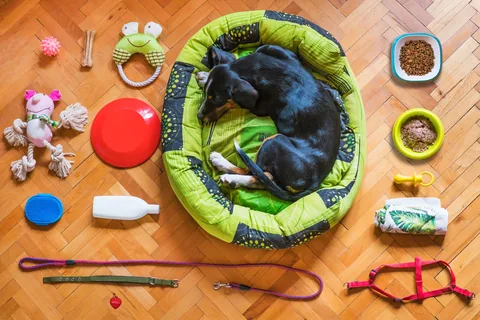
Life with a dog is equal parts training walks, food bowls, vet visits, and the small daily rituals that turn a house into a shared home. This section covers the practical side of all of it: training and behaviour that actually holds up outside a classroom, health and wellbeing basics worth knowing before something goes wrong, food and feeding without the marketing noise, and honest notes on dog breeds so you know what you are actually signing up for.
We also follow the stages that change everything about daily routines: the sleepless chaos and sudden devotion of puppies, and the slower, gentler pace that senior dogs need as their bodies change. Alongside that sit activities and outdoor life, because a bored dog quickly becomes a project rather than a companion, plus the everyday gear that is genuinely worth owning and the specifics of travel with dogs, from short car rides to longer trips away.
If a puppy has just arrived, start with our guide to the first night with a puppy, which walks through a setup that helps them settle without starting sleep habits you will regret within a month. If your dog already has plenty of energy and nowhere to put it, our notes on keeping a dog busy at home cover activities that build calm instead of adding to the noise. Dogs rarely live in isolation from the rest of a household's decisions, so if you are weighing the real monthly cost of a dog or sharing a home with a cat too, that broader picture lives in Living Together. And if you are still deciding whether to bring a dog home at all, Adoption is the place to start.
Topics we cover
Boots, balm, non-slip socks: an honest rundown of paw protection gear, and what each one is actually good for.
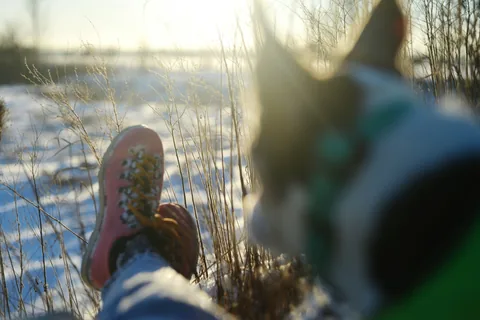
Sole, fit, training time: what separates boots that genuinely protect against hot pavement from ones a dog kicks off in five minutes.
The complete summer paw protection guide: timing, surfaces to avoid, gear, and aftercare, brought together in one place.

Sand heats up faster and hotter than asphalt at certain times of day: what makes a beach risky for paws, and how to enjoy it safely instead.
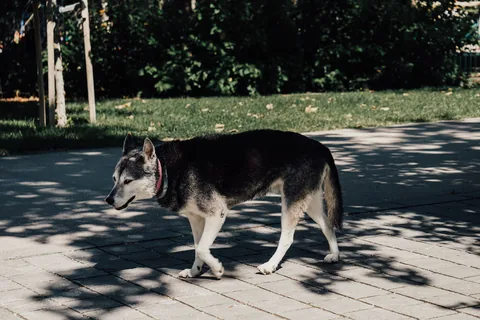
Walk timing, shaded routes, dog boots: the concrete habits that prevent paw pad burns, and the first steps to take if one happens anyway.
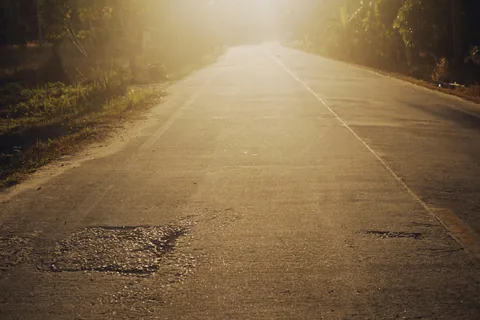
The real threshold, and the 7-second hand test, for knowing when asphalt is too hot for a dog’s paw pads in summer.
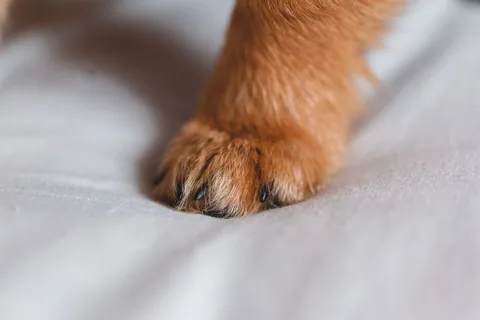
A 30-second check per paw that catches thorns, cracks, and early infections before they get worse: the inspection routine worth building.
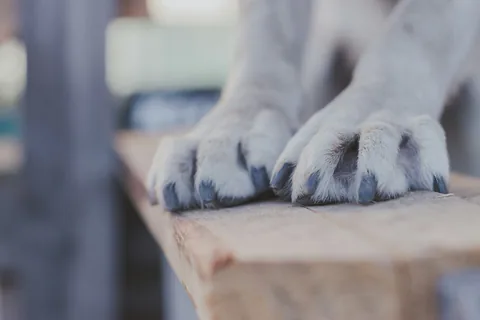
Why drying between the toes matters as much as cleaning: the technique that helps prevent yeast infections caused by lingering damp fur.
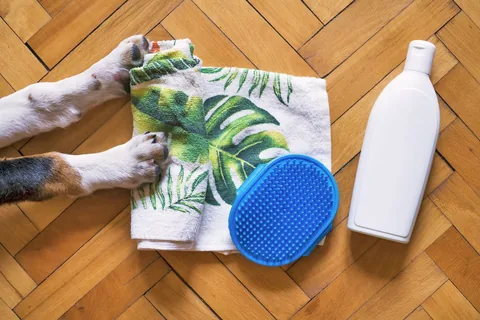
Rinsing, wiping, or paw wipes: the after-walk paw cleaning method that actually protects your floors and your dog’s paw pads.
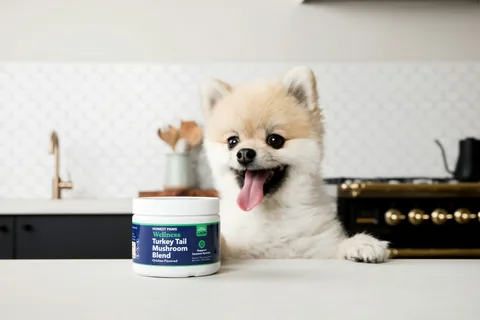
Protective balm, healing cream, or a vet-prescribed product: how to pick the right formula for the actual problem, and what to avoid.
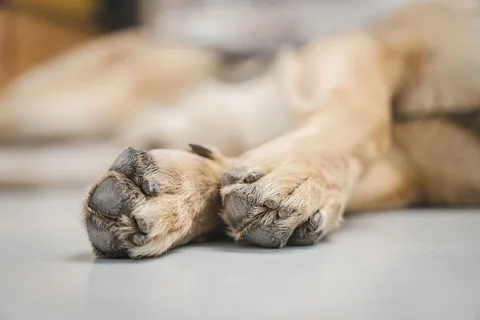
A cracked paw pad isn’t trivial: the at-home care that actually helps, a realistic healing timeline, and when to protect the paw outdoors.
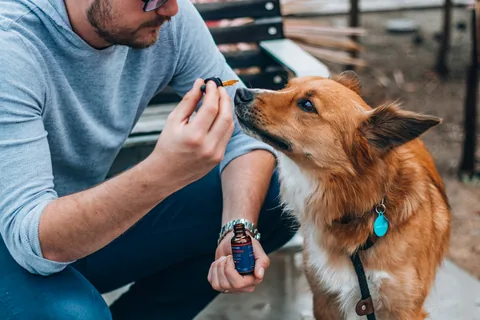
Clean, soothe, protect: the three-step care routine for an irritated dog paw, and the mistakes that slow healing down.
Normal thermoregulation, stress, or excessive licking: why a dog’s paw pads are sometimes damp, and when it’s worth a closer look.
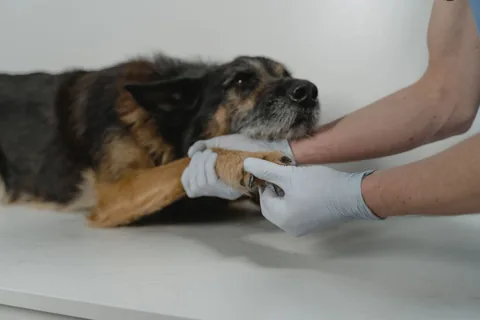
Environmental, food, or contact: the three types of allergies that make a dog’s paws swell, and how to spot which one you’re dealing with.
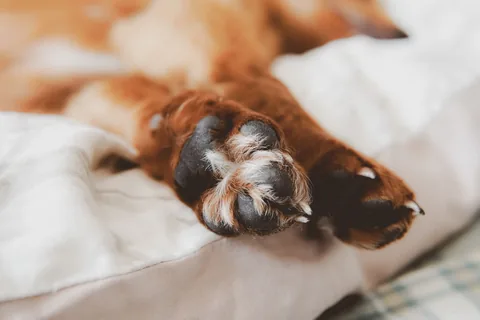
Those reddish-brown stains between a dog’s toes come from saliva, not dye: what they reveal and how to reduce the staining.
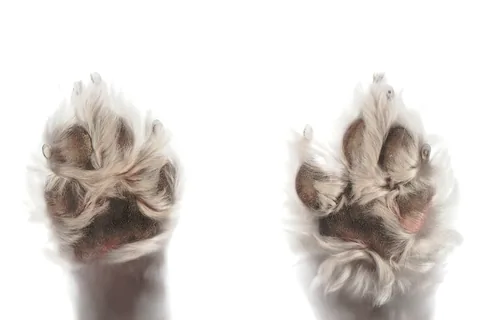
The famous “corn chip” paw smell is often harmless, sometimes a sign of infection: how to tell the difference in your own dog.
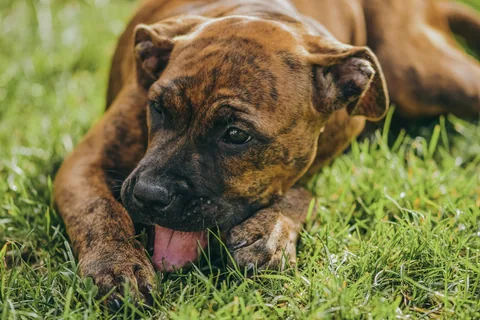
Paw biting goes further than licking: the likely causes, the steps to take right away, and why this isn’t one to wait out.
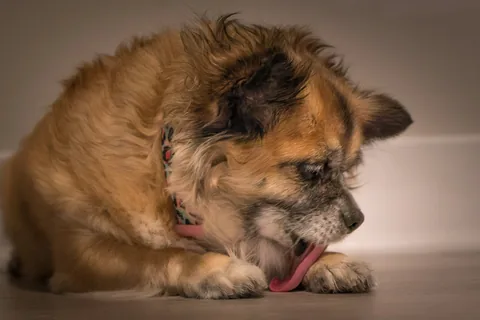
Normal grooming, boredom, allergy, or pain: how to tell harmless licking apart from compulsive paw licking in dogs, and why it matters.
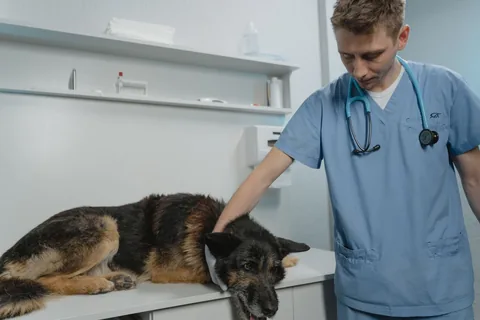
The concrete thresholds that separate a wait-and-watch paw issue from a real vet emergency, so you stop guessing when your dog’s paw looks off.
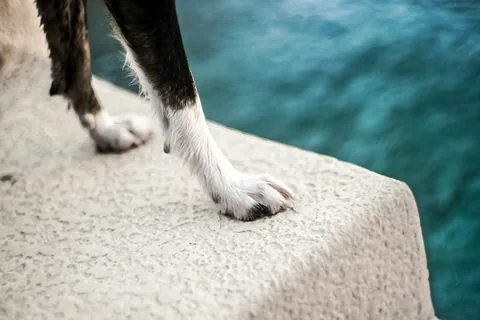
Grass awn, thorn, gravel: the safe method for removing a foreign object stuck in a dog’s paw, and when to leave it to the vet instead.
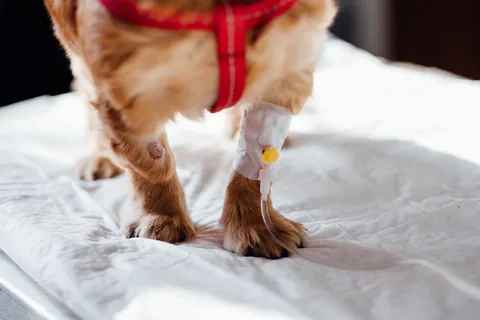
Clean, protect, monitor: the concrete steps for a paw wound on your dog, and the warning signs that mean a same-day vet visit.
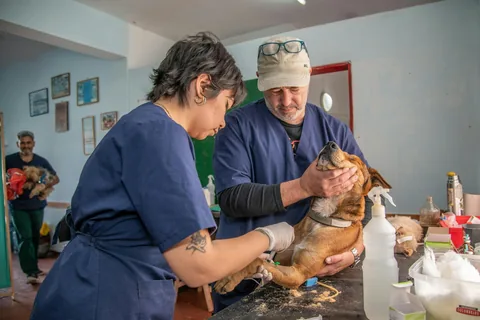
Allergies, autoimmune conditions, hormonal disorders: the underlying diseases that often show up as paw problems in dogs first.
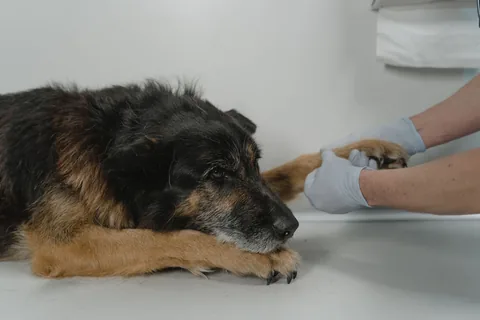
Interdigital furunculosis explained simply: red nodules, limping, licking, and why this infection keeps coming back without the right treatment.
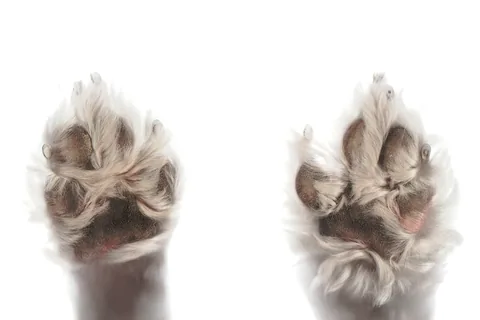
Damp fur between the toes, repeated licking, an allergy-prone coat: what actually causes yeast on a dog’s paws, and how to prevent it.
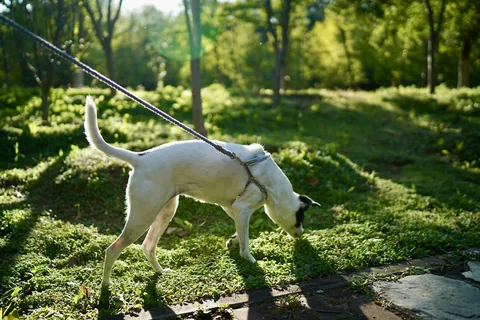
Muscle fatigue, a thorn, a sore pad, or a sprain: how to tell a passing limp apart from a real injury after your dog’s walk.
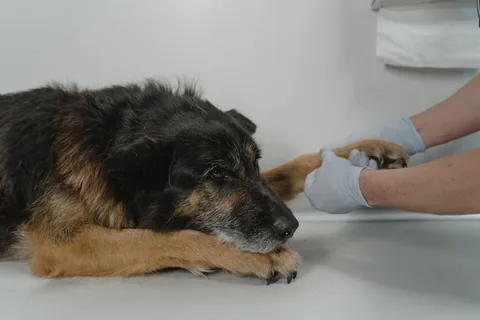
Limping, obsessive licking, refusing to put weight down: the real signs of paw pain in dogs, and which ones mean you should act right away.
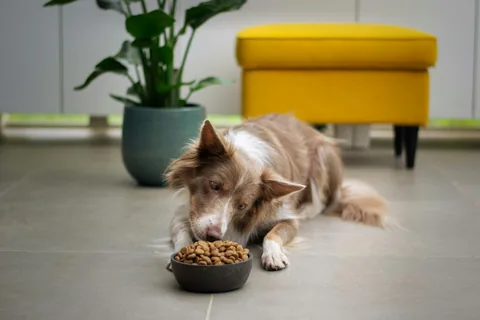
What life-stage formulation and size-specific feeding actually mean nutritionally, cutting through grain-free and breed-specific marketing claims.
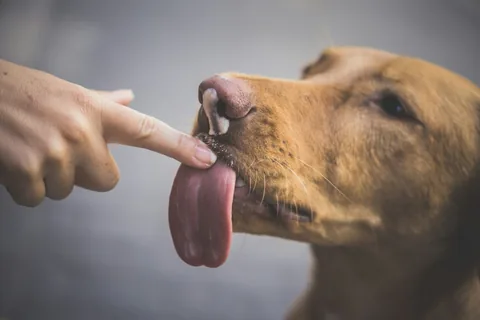
The subtle everyday dog body language signals owners actually miss, lip-licking, whale eye, a stiff tail wag, before you assume he is being difficult.
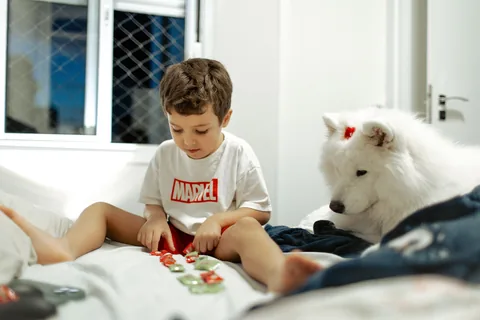
Ways to keep a dog occupied at home that build calm instead of amping them up, and how to tell the difference.
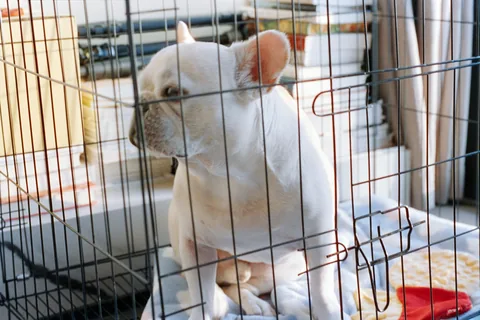
What to actually expect the first night with a new puppy, and a realistic setup that helps them settle without starting bad sleep habits.
Why this one: it is the single most useful starting point for anyone bringing a puppy home this week.
Why this one: for when the puppy stage is over but the energy very much is not.
It depends on breed, age, and health, but most adult dogs do well with 30 to 90 minutes of physical activity spread across the day, combined with some form of mental engagement like training or scent work.
Training teaches specific skills, such as sit or loose-leash walking. Behaviour work addresses the reasons behind reactions like fear or frustration. Most dogs benefit from both, not obedience commands alone.
From the day they come home. Formal classes often start around 8 to 12 weeks, but everyday habits, like calm greetings and gentle handling, are worth building from the very first night.
Gradual stiffness or shorter walks can be normal ageing, but sudden changes in appetite, mobility, or behaviour are not. When in doubt, a vet visit rules out treatable causes before assuming it is simply age.
No. A well-fitted harness or lead matters for every dog, but beyond that, needs vary by size, coat, energy level, and where you live, so it is worth buying gradually rather than all at once.
Practical advice, thoughtful stories, and everyday ideas for life with pets.