
Litter Box Setup for Multi-Cat Homes: Placement, Number, and Type
By Paw Province Editorial · Published 29 August 2026
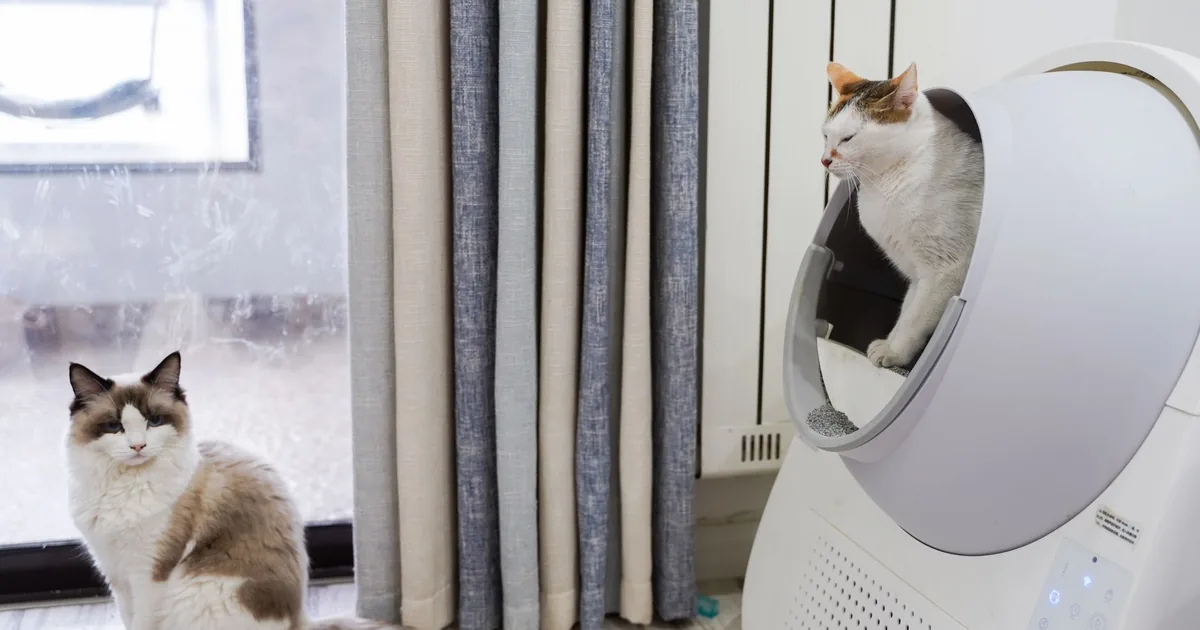
- The one-box-per-cat-plus-one rule is a starting point, not a guarantee, if placement is poor.
- Boxes clustered together function as a single location to a cat and can still be guarded by one cat against the rest.
- Spreading boxes across different rooms, away from food and high-traffic paths, matters as much as the total count.
- New litter box avoidance after adding a second cat is usually a setup problem, not a spite problem.
- Consistent litter type across boxes reduces the chances of a cat rejecting one option over another.
Most advice on multi-cat litter boxes stops at a single number: one box per cat, plus one extra. It's a genuinely useful starting rule, and it's also incomplete on its own, because a household can follow it to the letter and still end up with a cat guarding the hallway that leads to every box, or a cat quietly holding it until the box is finally free.
Count is the easy part. Placement is where most multi-cat litter setups actually succeed or fail, and it's the part most advice skips past. This guide covers both, with the reasoning behind each choice, so a setup that looks correct on paper actually works day to day.
The Rule, and Why It's Not Just About Count
The one-per-cat-plus-one guideline exists because cats are not naturally inclined to share a single toileting spot the way some other animals are, and a shortage of boxes creates competition, which shows up as stress, guarding, or avoidance. For two cats, that means three boxes. For three cats, four boxes, and so on.
The reasoning behind the "plus one" matters more than the number itself: it guarantees that even when one box is in use, being cleaned, or being avoided by a cat who dislikes how it currently smells, there's still a genuinely free option available. A household with exactly one box per cat and zero spare capacity can still create the exact competition the rule was meant to prevent.
Placement Matters More Than the Number
This is the detail that trips up most multi-cat households. Three boxes lined up against the same wall in the same laundry room satisfies the count rule but functions, from a cat's perspective, as one location with three toilets in it. A single confident or anxious cat can position himself to watch, block, or guard that entire cluster, which defeats the purpose of having multiple boxes at all.
Real placement guidance that actually solves this:
- Spread boxes across different rooms or floors, not just different corners of the same room.
- Give each box at least two access routes where possible, so a cat is never cornered while using it, and a more assertive cat can't block the only entrance.
- Keep boxes away from food and water, which cats instinctively avoid toileting near, and away from loud appliances like washing machines that can startle a cat mid-use.
- Choose quiet but not fully isolated spots, a box in a rarely-visited back room can end up forgotten and under-cleaned, which creates its own avoidance problem.

Litter Type and Box Style: What Actually Matters
Consistency matters more than picking the objectively "best" litter. Most cats develop a strong preference for a texture and type early on, and switching types across different boxes in the same home can lead to one box being used and the others avoided entirely, undermining the whole multi-box setup.
Unscented, clumping litter is the safest general default, since strong scents can be off-putting to a cat's much more sensitive nose. Covered boxes hold odour in better for the household but can trap smell for the cat using it and make it harder to watch for approaching housemates, which matters more in a multi-cat home than a single-cat one. If cats show mixed preferences, offering one open, low-sided box among the covered ones is a reasonable compromise rather than guessing.
Please read first
This article shares general information and lived experience, not individual veterinary or behavioural advice. If you’re concerned about your pet’s health or behaviour, please consult a vet or a qualified professional.
Troubleshooting Avoidance After Adding a Second Cat
A resident cat who was reliably using the litter box for years and suddenly starts avoiding it shortly after a new cat arrives is one of the most common and most misread situations in multi-cat households. It is almost never spite or a "personality problem." It typically means the existing setup, however well it worked with one cat, is now being contested, guarded, or simply feels less safe.
The fix is rarely to punish or restrict the avoiding cat. It's to add capacity and options: an additional box in a genuinely separate location, a fresh unscented litter if the previous one was ever changed around the same time, and a look at whether one cat has taken to positioning himself somewhere that blocks or overlooks the existing boxes. Addressing the setup itself resolves the great majority of these cases without needing anything more complicated.
Cleaning Routine That Supports the Setup
Even a well-placed box fails if it isn't kept clean enough for a cat to want to use. Scoop at least once a day in a multi-cat household, since usage volume is naturally higher, and do a full litter change and box wash on a regular schedule rather than only when the smell becomes obvious to human noses, which are far less sensitive than a cat's.
A quick daily scoop across all boxes, done at the same time each day, is a more reliable habit than trying to remember which specific box needs attention. It also gives you a natural moment to notice changes in litter box use, clumps that look unusual, a box that's suddenly untouched, before they become a bigger problem.
Multi-Level or Small Homes: Realistic Adaptations
Not every home has the square footage for boxes spread across separate rooms on the ground floor alone. In a multi-level home, placing at least one box per floor cats actually spend time on is a reasonable adaptation of the spreading principle. In a small apartment, prioritise separating boxes by sightline and traffic path rather than distance alone, a box tucked behind furniture in the same room can function as a genuinely separate location if a cat can't see or guard it from the other box.
Signs the Current Setup Isn't Working
A handful of everyday signs are worth taking seriously rather than dismissing as one-off accidents. Urine or stool appearing just outside a box rather than inside it often means the box itself, its litter, its cleanliness, or its location, has become the problem, not the cat's habits. A cat who dashes in and out of a box unusually fast, without the normal digging and covering routine, is often uncomfortable using that particular location and rushing to leave it. And one cat consistently positioning himself near a box's only entrance, without using it himself, is a classic, easy-to-miss form of passive guarding that keeps other cats from feeling safe using that box at all.
Any of these, on their own or together, point back to the same fix: more boxes, better spread, and a location that gives every cat in the house a genuine, unguarded choice.
If you're planning a litter box setup as part of introducing a second cat to the household for the first time, our guide to bringing a cat home covers the broader groundwork worth doing before the new cat even arrives. And for households juggling this kind of setup alongside other shared-space challenges, our Living Together section covers more of the everyday logistics of a multi-pet home.
Key takeaways
The one-box-per-cat-plus-one rule is a starting point; real success depends on spreading boxes across genuinely separate locations, away from food and high-traffic paths, so no single cat can guard access. Litter box avoidance after adding a second cat is almost always a setup issue, solved by adding capacity and better placement, not punishment.
Our Cats section has more practical guides on everyday indoor cat life.
Frequently asked questions
How many litter boxes do I need for two cats?
Three boxes, following the one-per-cat-plus-one rule. This gives each cat a genuine choice of location even if one box is in use, being cleaned, or being guarded by another cat, which matters more than the raw number itself.
Can I put all the litter boxes next to each other?
No, that defeats the purpose. Boxes placed side by side function as one location to a cat, especially if a more assertive cat can guard the whole cluster. Spreading boxes across different rooms or areas is what actually gives each cat real options.
Why did my cat start avoiding the litter box after I got a second cat?
This is one of the most common triggers for litter box avoidance. It usually means the resident cat feels the existing box setup is being guarded, contested, or simply insufficient for two cats, not that the cat is misbehaving out of spite.
Should each cat have their own litter box style?
Not necessarily, but consistency in litter type matters more than most owners expect. If cats have a strong preference, offering one uncovered, low-sided box as an option alongside others is a low-effort way to accommodate different comfort levels.
Where should litter boxes never be placed?
Avoid directly next to food and water bowls, in high-traffic hallways with no privacy, in enclosed spaces with only one entrance and exit, or clustered together in a single small room, all of which make a box feel unsafe or inaccessible to a cat.