

Everyday tested
PetSmart Dog Food: What the Store Actually Carries
An honest look at the dog food categories PetSmart carries, from its own Authority brand to natural, fresh, and vet-recommended lines, with no single pick.

Editorial Team
The Paw Province editorial team researches, tests, and writes together. Every practical guide is reviewed by at least one other team member before it goes live, and every piece here starts from a real everyday question, not a keyword list.
An honest look at the dog food categories PetSmart carries, from its own Authority brand to natural, fresh, and vet-recommended lines, with no single pick.
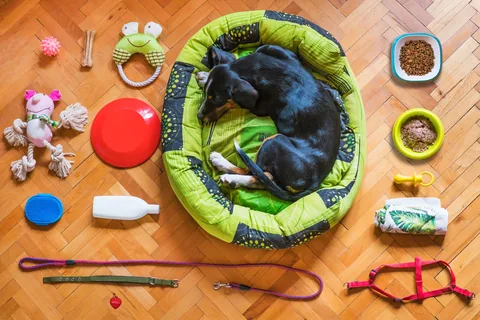
Boots, balm, non-slip socks: an honest rundown of paw protection gear, and what each one is actually good for.
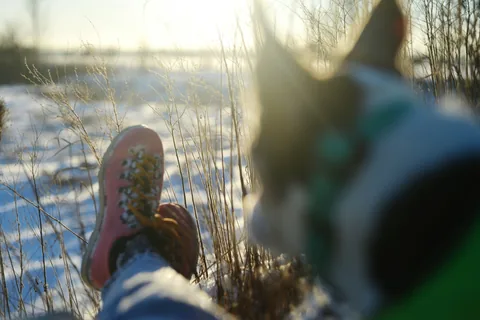
Sole, fit, training time: what separates boots that genuinely protect against hot pavement from ones a dog kicks off in five minutes.

The complete summer paw protection guide: timing, surfaces to avoid, gear, and aftercare, brought together in one place.

Sand heats up faster and hotter than asphalt at certain times of day: what makes a beach risky for paws, and how to enjoy it safely instead.

Walk timing, shaded routes, dog boots: the concrete habits that prevent paw pad burns, and the first steps to take if one happens anyway.

The real threshold, and the 7-second hand test, for knowing when asphalt is too hot for a dog’s paw pads in summer.
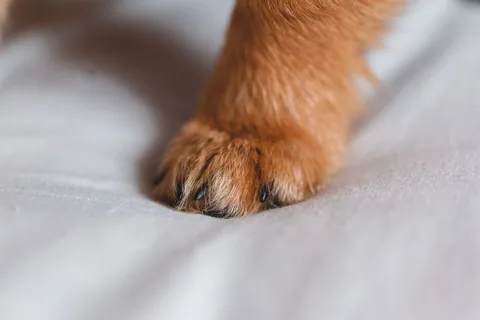
A 30-second check per paw that catches thorns, cracks, and early infections before they get worse: the inspection routine worth building.
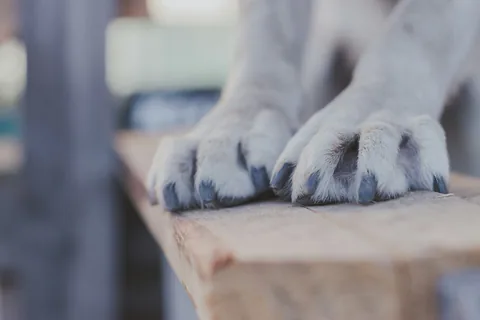
Why drying between the toes matters as much as cleaning: the technique that helps prevent yeast infections caused by lingering damp fur.
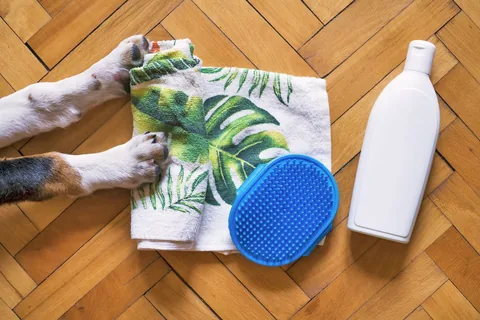
Rinsing, wiping, or paw wipes: the after-walk paw cleaning method that actually protects your floors and your dog’s paw pads.
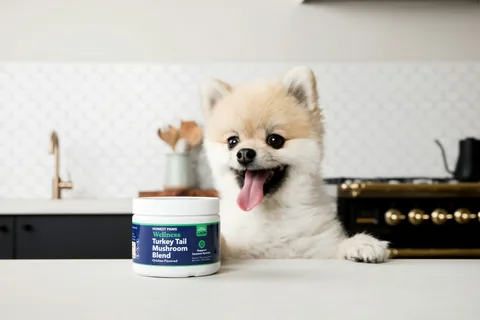
Protective balm, healing cream, or a vet-prescribed product: how to pick the right formula for the actual problem, and what to avoid.

A cracked paw pad isn’t trivial: the at-home care that actually helps, a realistic healing timeline, and when to protect the paw outdoors.
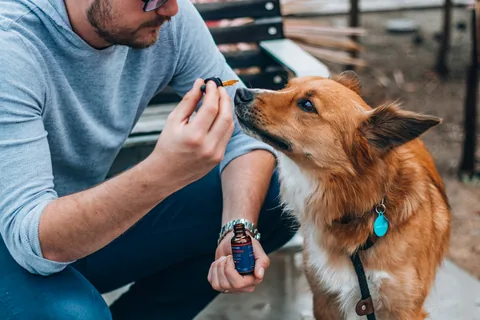
Clean, soothe, protect: the three-step care routine for an irritated dog paw, and the mistakes that slow healing down.
Normal thermoregulation, stress, or excessive licking: why a dog’s paw pads are sometimes damp, and when it’s worth a closer look.
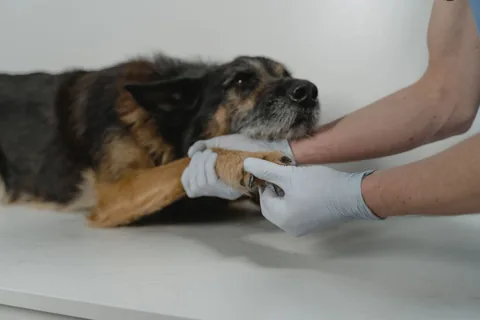
Environmental, food, or contact: the three types of allergies that make a dog’s paws swell, and how to spot which one you’re dealing with.

Those reddish-brown stains between a dog’s toes come from saliva, not dye: what they reveal and how to reduce the staining.

The famous “corn chip” paw smell is often harmless, sometimes a sign of infection: how to tell the difference in your own dog.

Paw biting goes further than licking: the likely causes, the steps to take right away, and why this isn’t one to wait out.

Normal grooming, boredom, allergy, or pain: how to tell harmless licking apart from compulsive paw licking in dogs, and why it matters.
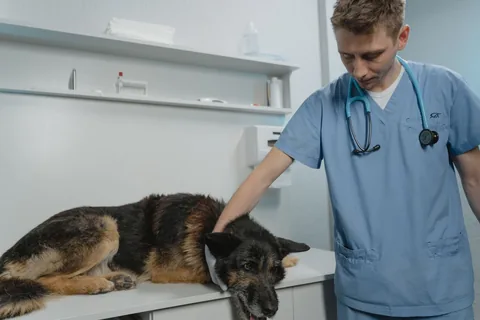
The concrete thresholds that separate a wait-and-watch paw issue from a real vet emergency, so you stop guessing when your dog’s paw looks off.
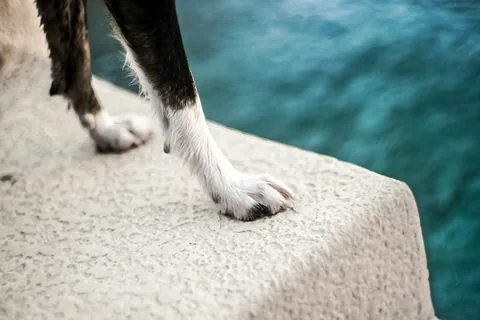
Grass awn, thorn, gravel: the safe method for removing a foreign object stuck in a dog’s paw, and when to leave it to the vet instead.

Clean, protect, monitor: the concrete steps for a paw wound on your dog, and the warning signs that mean a same-day vet visit.
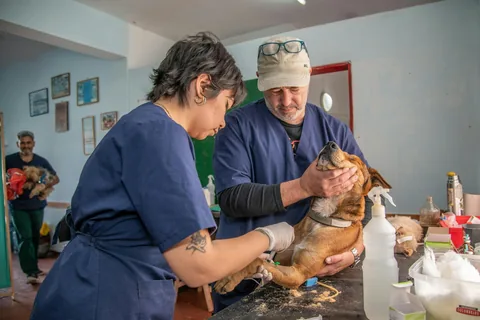
Allergies, autoimmune conditions, hormonal disorders: the underlying diseases that often show up as paw problems in dogs first.
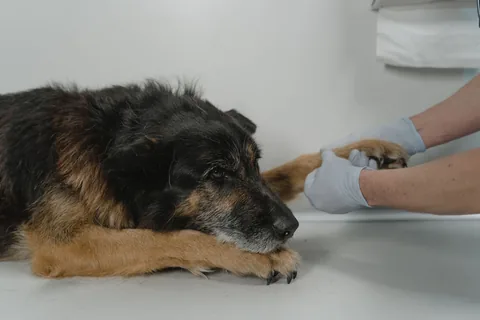
Interdigital furunculosis explained simply: red nodules, limping, licking, and why this infection keeps coming back without the right treatment.

Damp fur between the toes, repeated licking, an allergy-prone coat: what actually causes yeast on a dog’s paws, and how to prevent it.

An honest review of Mason’s 100g Dog Oil for Massaging: what’s verified, what isn’t, and whether it can really help a dog with arthritis.
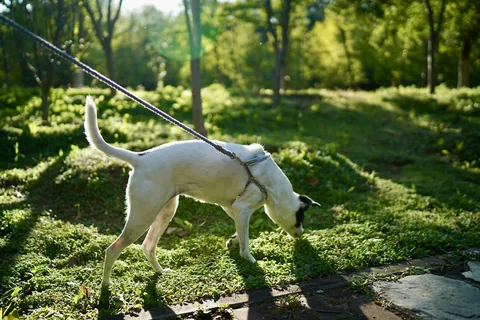
Muscle fatigue, a thorn, a sore pad, or a sprain: how to tell a passing limp apart from a real injury after your dog’s walk.
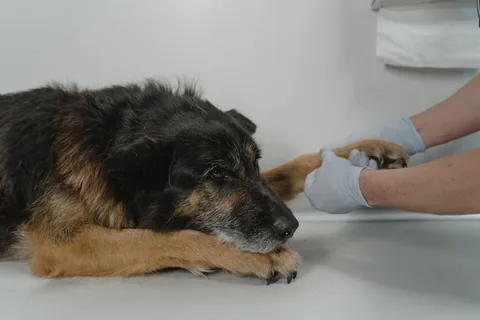
Limping, obsessive licking, refusing to put weight down: the real signs of paw pain in dogs, and which ones mean you should act right away.

An honest look at slow-feeder bowl types, separating what solves fast eating from what only adds mental enrichment.

A renter-specific pet-proofing checklist: balcony safety, thin-wall noise management, and no-yard exercise workarounds, room by room.

The one-box-per-cat-plus-one rule explained with real placement and traffic-flow reasoning, for households adding a second cat or troubleshooting avoidance.

A running glossary of common cat behaviours, kneading, chattering, slow blinking, loafing, that separates normal from worth watching.

What life-stage formulation and size-specific feeding actually mean nutritionally, cutting through grain-free and breed-specific marketing claims.
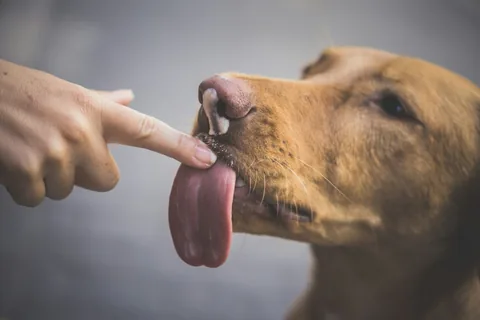
The subtle everyday dog body language signals owners actually miss, lip-licking, whale eye, a stiff tail wag, before you assume he is being difficult.

The most common mistakes new adopters make in the first weeks, and what to do differently from day one.

The toy categories that actually hold an indoor cat’s interest, what to rotate weekly, and what tends to gather dust.

How to choose a dog harness by fit, walking style, and behaviour, with a plain-language comparison of the main harness types.

A realistic monthly budget for a dog by size, plus the one-off costs and hidden extras that catch new owners out.

How much a cat really costs per month: $65 to $250 depending on food, litter, vet care, and insurance, with a full category-by-category breakdown.

The questions worth asking a shelter or rescue before you adopt a cat, so the match is right for both of you from day one.

A seven-step method for introducing a dog and a cat, plus the early warning signs that mean you should slow down.

A practical, room-by-room guide to preparing your home before a new cat arrives, from safe spaces to the supplies that actually matter in week one.