
How to Choose a Dog Harness
By Paw Province Editorial · Published August 12, 2026
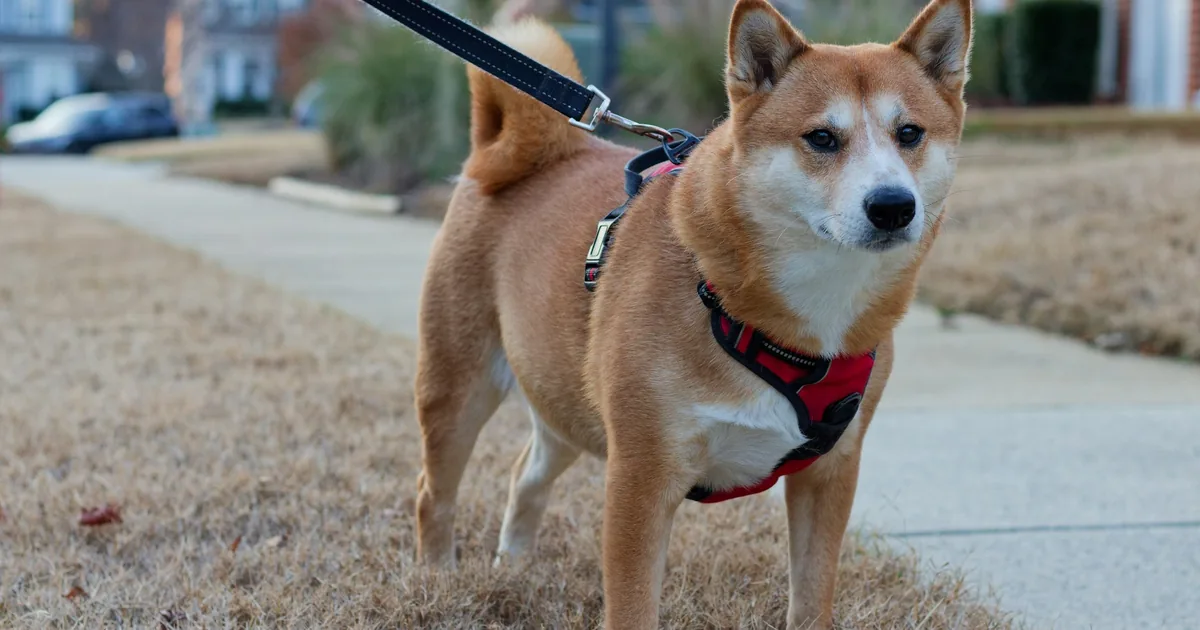
- Fit matters more than brand: two fingers under every strap, no slipping over the shoulders, no rubbing behind the front legs.
- Front-clip harnesses redirect pulling, back-clip suits dogs who already walk well, and dual-clip covers both without buying twice.
- Reactive dogs and flat-faced breeds both benefit from a harness that keeps pressure off the throat entirely.
- Body shape changes what "well-fitted" looks like: deep-chested and broad-shouldered dogs need different padding and strap geometry than a narrow, lightweight build.
Search "best dog harness" and the results are almost entirely brand comparisons: which one has the most five-star reviews, which colour options exist, which one ships fastest. None of that tells you whether a harness will actually fit your dog, suit how they walk, or hold up to a determined puller.
The type of harness that works well for a calm senior beagle is often the wrong choice for a young, reactive husky, and a harness sized correctly for a greyhound's narrow chest won't sit the same way on a barrel-chested bulldog. This guide skips the brand comparison entirely and focuses on what actually decides whether a harness works: fit, walking style, behaviour, and body shape.
Getting the Fit Right Before Anything Else
No harness type compensates for a bad fit. Too loose, and a determined dog can back out of it entirely, sometimes in the middle of a busy street. Too tight, and every strap has the potential to rub, chafe, or restrict natural movement over weeks of daily wear.
The two-finger rule is the simplest fit check: you should be able to slide two fingers flat under every strap, snugly but without pinching. With the harness on, gently pull backward on the leash the way a dog would if startled. A correctly fitted harness stays put across the chest and shoulders. One that slides up toward the neck or slips over the head is too loose, full stop, regardless of how good the material feels.
After a walk, run a hand along the skin behind the front legs and across the chest. Redness, flattened fur, or visible rub marks mean the harness is either the wrong shape for that dog's body or adjusted incorrectly, even if it looked fine in the shop or on the box.
Match the Harness to How Your Dog Walks
Walking style narrows the field faster than almost anything else. A dog who already walks on a loose leash has very different needs from one who leans into every step.
For a dog that pulls, a front-clip design (the leash attaches to a ring on the chest) works by gently turning the dog sideways when they pull forward, which interrupts the straight-line pulling motion without any physical correction. It's one of the most common recommendations from trainers working on loose-leash walking, precisely because it changes the mechanics of pulling rather than just trying to out-muscle it.
For a dog who already walks politely, a back-clip design (the leash attaches between the shoulder blades) is simpler to use day to day and doesn't have the front-clip's occasional tendency to tangle between the front legs on a long walk. Many owners land on a dual-clip harness specifically to avoid choosing between the two, using the front ring during focused training and the back ring for ordinary walks once things have improved.
Comparing the Main Harness Types
Once fit and walking style are sorted, the remaining decision usually comes down to which structural type suits your routine. Here's how the four common types compare.
| Best for | Watch out for | |
|---|---|---|
| Back-clip harness | Calm walkers, everyday wear, dogs who already walk well on leash | Offers little control if pulling starts, so it can quietly reinforce the habit in an untrained dog |
| Front-clip harness | Dogs that pull, active loose-leash training, redirecting a lunge toward a distraction | Can tangle around the front legs on longer walks; not ideal once a dog is ready for off-leash recall work |
| Dual-clip harness | Households wanting flexibility across training stages or multiple handlers | Costs more and has more straps to adjust correctly than a single-clip design |
| Step-in harness | Dogs who dislike anything pulled over their head, small or elderly dogs, quick everyday walks | Fiddly to line up correctly by feel; less secure for strong pullers or dogs skilled at backing out |
None of these four is objectively "best." Each one solves a different combination of walking style and daily routine, which is exactly why the comparison matters more than any single product recommendation.
Behaviour Considerations: Reactive Dogs and Sensitive Breeds
For a reactive dog, one who lunges or barks at other dogs, cyclists, or sudden movement, the ability to redirect quickly matters more than almost anything else. A front-clip or dual-clip harness gives a handler a gentle way to turn a dog away from a trigger without adding pressure to the throat, which can otherwise increase a dog's stress response in an already tense moment.
Flat-faced, or brachycephalic, breeds like pugs, French bulldogs, and boxers already work harder to breathe than longer-nosed dogs, so any strap that compresses the throat or restricts chest expansion adds real strain. A wide, padded chest panel with a Y-shaped front strap that sits well below the throat, rather than across it, is worth prioritising for these breeds specifically, more than clip position.
Escape-prone dogs, some sighthounds and dogs with narrow heads relative to their neck, need a harness with a snug, secure closure rather than relying on strap tension alone. A martingale-style loop that gently tightens (without choking) if a dog tries to back out adds a real margin of safety that a standard buckle harness doesn't.
Choosing by Size and Build
Body shape changes what "correct fit" actually looks like, independent of breed or walking style. Small and toy breeds do best with lightweight materials and slim straps, since bulky padding can rub under the front legs and add noticeable weight relative to a small dog's frame.
Deep-chested, barrel-shaped breeds, many mastiffs and bulldog-type dogs, need wider chest padding to spread pressure across a larger surface area, since a narrow strap concentrates force on less padded muscle. Broad-shouldered, athletic breeds move more freely in a Y-shaped front strap design that sits clear of the shoulder joint, rather than a straight strap that can restrict the natural swing of the front legs on a long walk.
If you're choosing gear around the time a dog first arrives, our guide to the first days with an adopted dog covers the wider setup checklist this fits into, and our monthly dog budget breakdown shows roughly where a harness and other everyday gear fit into ongoing costs.
Key takeaways
A correctly fitted harness matters more than any brand name: two fingers under every strap, no slipping, no rubbing after a walk. Match the clip position to how your dog actually walks today, not how you hope they'll walk eventually, and prioritise chest padding and throat-free straps for flat-faced or reactive dogs specifically.
For a dog that's still learning to settle during and after walks, our guide on keeping a dog busy at home without overstimulating them pairs well with the loose-leash work a good harness supports.
This page may contain affiliate links in the future. See our affiliate disclosure.
Frequently asked questions
Is a harness always better than a collar for walking a dog?
For most dogs, yes, especially anything that pulls, has a sensitive throat, or is a small or flat-faced breed. A well-fitted harness spreads pressure across the chest and shoulders instead of the neck, which lowers the risk of tracheal injury over years of walks.
Should I choose a front-clip or back-clip harness for a dog that pulls?
Front-clip is usually the better starting point, since it gently redirects a pulling dog sideways rather than letting them lean straight into the pressure. Many owners move to a back-clip or dual-clip harness later, once loose-leash walking is more consistent.
How do I know if a harness fits correctly?
You should be able to fit two fingers flat under every strap without it slipping over the head or shoulders when your dog pulls backward. Watch for rubbing behind the front legs after a walk, which is the clearest sign a harness is too loose or the wrong shape.
Do flat-faced dogs need a specific type of harness?
They benefit most from a harness with a wide, padded chest panel and no straps that compress the throat or restrict chest expansion, since breathing is already more effortful for brachycephalic breeds. A Y-shaped front strap that sits well below the throat is worth prioritising.
How often should a growing puppy's harness be checked or resized?
Check the fit every two to three weeks during the main growth period, since a harness that fit well a month ago can already be too tight or loose. Many adjustable harnesses accommodate a couple of sizes of growth before a full replacement is needed.