
Can Dogs Walk on Hot Sand
By Paw Province Editorial · Published September 25, 2026
TL;DR
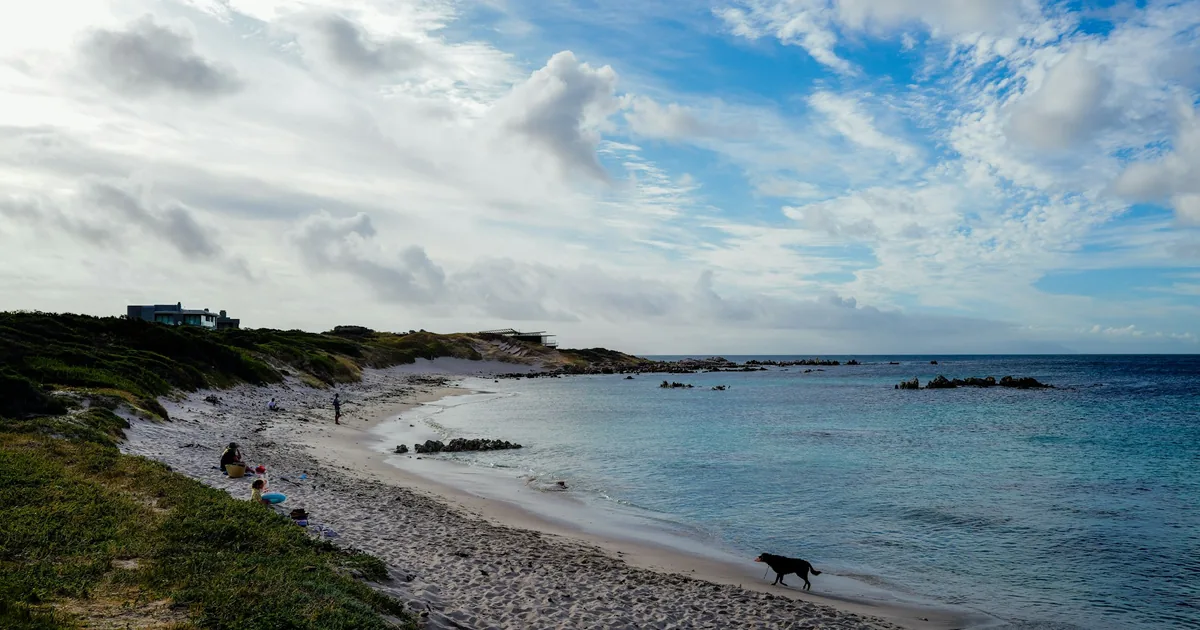
Dry sand in direct midday sun can get hotter than asphalt and burn paw pads within seconds of contact. The same beach is usually safe early morning, in the last hour or two before sunset, or on wet sand near the waterline. Test any stretch of sand with the back of your hand before letting your dog walk on it. Limping, repeated paw-lifting, and licking at the pads afterward are the signs a burn has already happened.
A beach day feels like the safest kind of summer outing, until a dog starts hopping between paws halfway across the dunes. Sand looks harmless because it shifts and gives underfoot, but dry sand in full sun can actually run hotter than the asphalt most owners already know to avoid. This guide covers why sand heats up the way it does, how to check it before your dog crosses it, and which parts of a beach stay reliably cooler even during a heatwave.
Why Sand Gets Hotter Than Pavement
Sand is a poor conductor of heat. Instead of spreading solar energy downward and outward the way denser materials do, dry sand traps it in a thin surface layer just a few centimetres deep. That layer can reach extreme temperatures even while the sand an inch below stays noticeably cooler, which is part of why a beach can feel deceptively survivable to bare human feet moving quickly while genuinely damaging to a dog's paw pads in sustained contact.
Colour matters too. Pale, fine sand reflects more light than coarse or darker sand, so beaches vary meaningfully in how hot they get even at the same air temperature and time of day.
Testing Sand Before Letting Your Dog On It
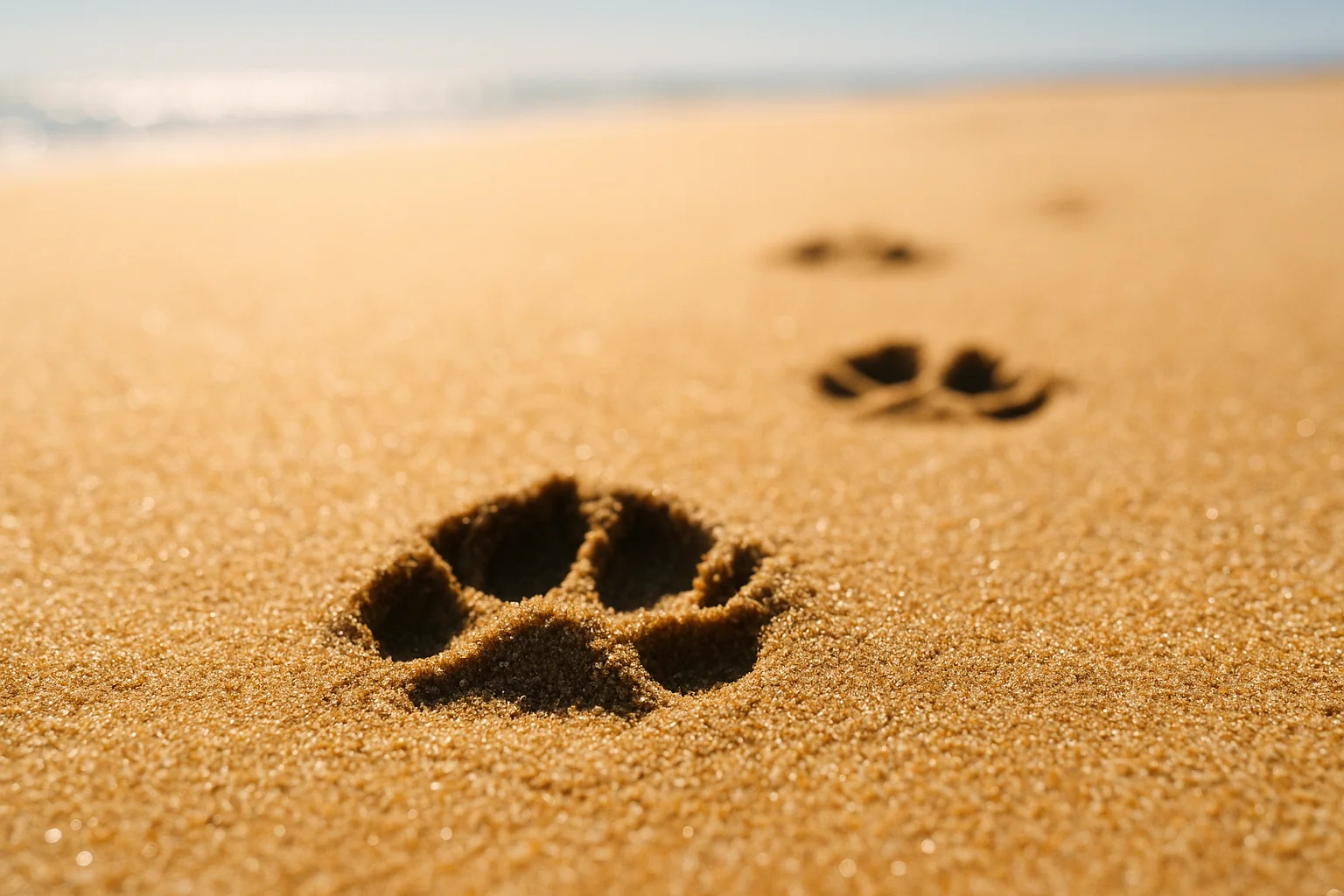
The same field test used for pavement works here. Press the back of your hand flat into the sand and hold it there; if you cannot leave it for a full 7 seconds because of the heat, it is too hot for paw pads. Our guide on the ground temperatures that actually become dangerous covers this test and the thresholds behind it in more depth.
Test more than one spot. Sand temperature can vary sharply across a short stretch of beach depending on sun exposure, colour, and distance from the water, so one safe patch does not guarantee the next twenty metres are fine too.
Best Times for a Beach Walk
Early morning, generally before 9am, and the last hour or two of daylight before sunset are the most reliable windows. Late morning through mid-afternoon is when dry sand reaches its highest temperatures and holds them longest, often well past the point when the air itself starts to feel like it is cooling down in the early evening.
A cloudy day is not automatically safe either. Sand that has already been baking since morning retains stored heat for a while even once direct sun is blocked, so checking the surface still matters more than checking the sky.
Wet Sand, Shade, and Other Cooler Options
Wet sand near the waterline runs meaningfully cooler than dry sand further up the beach, since water absorbs heat and carries it away as it evaporates. It is usually the most comfortable strip of a hot beach, though it is still worth a quick hand check rather than assumed safe by default.
Shaded patches under a beach umbrella, a pier, or dune grass also stay cooler, and planning a route that favours these spots over open, exposed sand can turn a risky midday outing into a manageable one. If your dog spends a lot of time on hot surfaces generally, our guide on accessories that protect a dog's paws covers booties and other gear built for exactly this kind of terrain.
Please read first
This article shares general information and lived experience, not individual veterinary or behavioural advice. If you’re concerned about your pet’s health or behaviour, please consult a vet or a qualified professional.
Recognizing and Responding to a Sand Burn
A dog that starts hopping between paws, lifting one foot repeatedly, or refusing to keep walking on a stretch it crossed easily minutes earlier is showing early signs of a burn. Pads that look redder, darker, or blistered afterward confirm it.
Move your dog off the sand immediately, ideally onto grass, a towel, or into shade, and rinse the affected pads with cool running water for several minutes. Avoid rubbing the area. Mild redness that fades within the hour can usually be watched at home, but blistering or a dog still limping later in the day is worth a vet visit. Our guide on preventing paw pad burns in dogs covers the fuller first-aid steps and prevention habits in more detail.
Making Beach Days Paw-Safe All Summer
None of this means avoiding the beach. It means treating sand with the same respect owners already give hot pavement: check it, time the visit around the coolest hours, and favour wet sand or shaded patches when the sun is at its strongest. Doing this consistently, rather than only on the hottest-feeling days, is what actually prevents an injury rather than just reducing the odds of one. Our broader guide on protecting a dog's paws through the whole summer puts beach outings in the context of every other hot-weather habit worth building.
Key takeaways
Dry sand in full sun can get hotter than asphalt, even though it looks and feels harmless underfoot. The 7-second hand test works on sand exactly the way it works on pavement. Early morning, late evening, and wet sand near the water are the reliably cooler options. Hopping between paws, repeated lifting, and licking afterward are signs a burn has already started, not just discomfort to wait out.
Frequently asked questions
Can dogs walk on hot sand?
Only when it has been tested first. Dry sand in direct midday sun can get hotter than asphalt and burn paw pads within seconds, but the same beach is usually safe early morning, late evening, or in wet sand near the shoreline.
Why does sand get hotter than pavement?
Sand is a poor conductor of heat, so it stores solar energy in a shallow surface layer instead of spreading it out, which lets the top few centimetres reach extreme temperatures even while sand just below stays far cooler.
Is wet sand near the water always safe?
Wet sand runs noticeably cooler than dry sand because water absorbs and carries away heat, but it is not automatically safe. Check it the same way you would any surface before assuming it is fine.
What time of day is a beach safest for a dog?
Early morning before roughly 9am and the last hour or two before sunset are usually the safest windows. Late morning through mid-afternoon is when dry sand reaches its highest, most dangerous temperatures.
What are the signs my dog burned its paws on sand?
Limping, lifting one or more paws repeatedly, reluctance to keep walking, and licking at the pads afterward. Reddened, blistered, or unusually shiny pads mean the burn needs proper attention, not just a shorter walk.
Want more practical, seasonal paw-care guidance like this? Join the Paw Province Letter