
How to Prevent Paw Pad Burns in Dogs
By Paw Province Editorial · Published September 24, 2026
TL;DR
Walk before 9am or after sunset, and lean on shaded or grassy routes when the sun is high. Test any uncertain surface with the back of your hand before your dog steps on it. Limping, paw licking, or reddened pads are early warning signs, not something to wait out. If a burn happens, rinse with cool water and get off the hot surface immediately, then have a vet check anything beyond mild redness. Boots and paw wax help but do not replace good timing.
A dog that suddenly limps mid-walk, then starts licking at one paw an hour later, has usually already burned a pad, not just stepped on something uncomfortable. Owners often catch the injury after the damage is done, because the walk felt routine right up until it wasn't. Preventing a paw pad burn is far easier than treating one, and it comes down to a short list of habits you can build into every hot-weather walk. This guide covers the timing, routes, and early warning signs that actually prevent burns, plus what to do in the first minutes if one happens anyway.
Walk Timing That Actually Prevents Burns
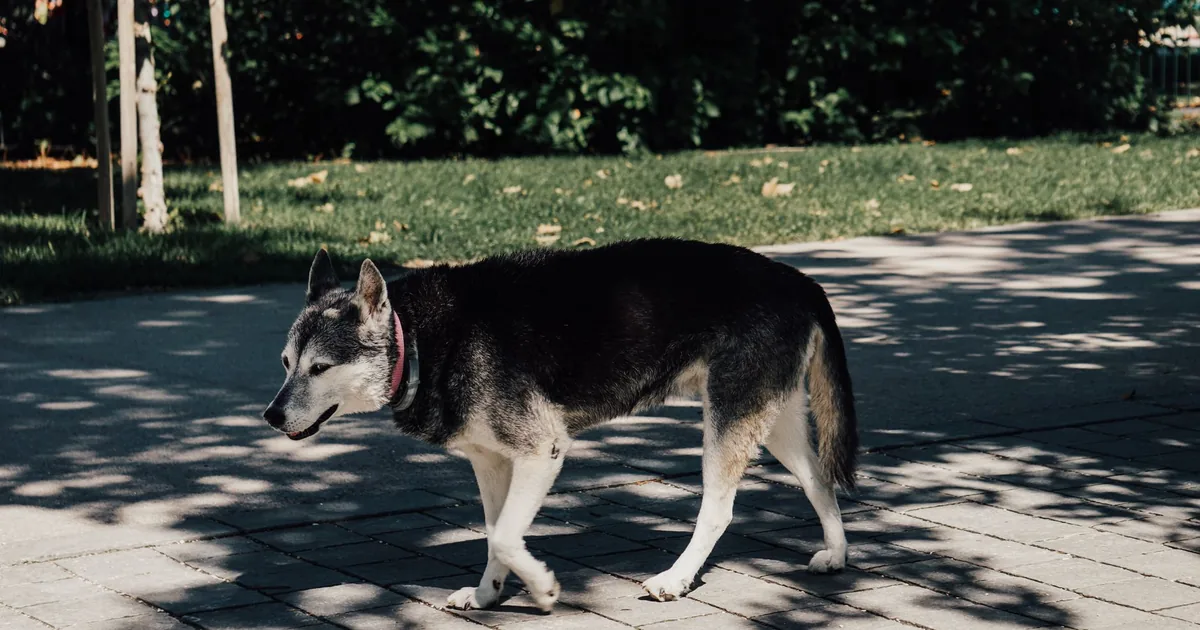
The single biggest lever is when you walk, not how carefully you walk. Pavement in direct sun can sit 20 to 30°C hotter than the surrounding air, so a walk that felt fine yesterday morning can be genuinely dangerous by 1pm today. Our guide on the exact temperature at which pavement becomes dangerous breaks down the thresholds in more detail, but as a working rule, before 9am and after sunset are the two reliably safer windows in most summer climates.
If a midday walk is unavoidable, shorten it and keep it slow rather than skipping it entirely. A dog that still needs to relieve itself does not need a full loop of the neighbourhood on the hottest stretch of pavement you own.
Choosing Routes That Stay Meaningfully Cooler
Grass, dirt paths, and shaded pavement all run noticeably cooler than open asphalt in full sun, sometimes by 15°C or more at the same moment. Planning a route along the shaded side of the street, or through a park instead of down a sunbaked pavement, costs almost nothing and removes most of the risk on its own.
Before setting off on any surface you are unsure about, press the back of your hand flat against it and hold it there. If you cannot leave your hand down for a full 7 seconds, the ground is too hot for paw pads, which are more heat-sensitive over sustained contact than the skin on your hand.
Do Boots and Paw Wax Actually Help
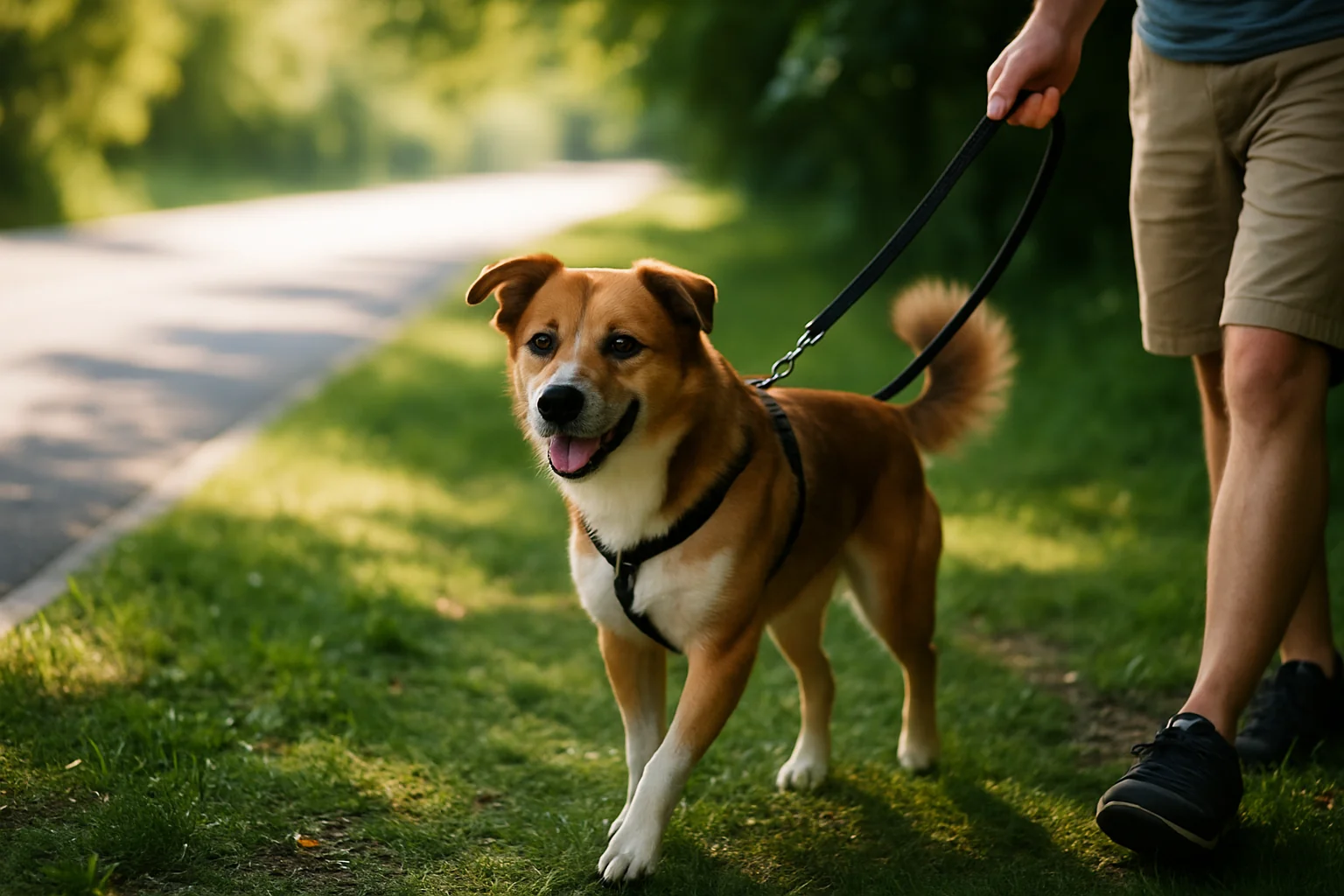
Dog boots with a proper insulating sole can meaningfully reduce heat transfer on pavement your dog cannot avoid entirely, though fit and training matter as much as the product itself; our full breakdown of whether dog boots are effective against heat covers what separates a genuinely protective pair from one that gets kicked off within minutes.
Paw wax adds a thin protective layer and a small buffer for brief, occasional contact, but it is not designed to hold up against sustained walking on genuinely hot surfaces. Treat it as one layer in a routine, not a reason to walk during the hottest part of the day.
Recognizing a Burn Before It Gets Worse
Early signs are easy to miss if you are not looking for them: a slight favouring of one paw, more frequent stops, or a dog that suddenly wants to walk on grass instead of pavement. Pads that look redder, darker, or unusually shiny compared to the others are worth stopping to check immediately.
Blisters, peeling skin, or a pad that looks raw mean the burn is already established and needs proper care, not just a shortened walk home.
Please read first
This article shares general information and lived experience, not individual veterinary or behavioural advice. If you’re concerned about your pet’s health or behaviour, please consult a vet or a qualified professional.
First Steps If a Burn Happens Anyway
Get your dog off the hot surface immediately, onto grass or into shade. Rinse the affected pad with cool, not ice-cold, running water for several minutes to draw heat out of the tissue, and resist the urge to rub or scrub the area, which can worsen surface damage on already compromised skin.
Keep weight off that paw as much as you reasonably can on the way home, and avoid applying home remedies like butter or ice directly to the burn. Mild redness that fades within an hour can usually be watched at home, but blistering, broken skin, or a dog still limping the next day warrants a vet visit rather than a wait-and-see approach.
Making Burn Prevention Part of the Routine
The habits that prevent burns work best when they become automatic rather than something you remember on the hottest days only. Checking the forecast before a walk, defaulting to early or late outings all summer, and doing a quick hand test on any unfamiliar surface take a few extra seconds and remove nearly all of the risk. For the fuller seasonal picture, from timing through gear and aftercare, our guide on protecting your dog's paws through the whole summer ties these pieces together into one routine.
Key takeaways
Timing prevents more burns than any product: walk before 9am or after sunset. Grass, dirt, and shade run reliably cooler than open asphalt, sometimes by 15°C or more. The 7-second hand test tells you the truth about any surface in seconds. Limping, paw licking, and reddened pads are early signs worth stopping for immediately. If a burn happens, cool water and getting off the hot surface come before anything else.
Once prevention habits are in place, it also helps to know what a normal paw looks like day to day; our guide on building a daily paw inspection habit makes it easier to catch a problem, heat-related or not, before it becomes serious.
Frequently asked questions
How can I prevent paw pad burns in my dog?
Walk before 9am or after sunset, stick to grass or shaded routes when the sun is high, and check the pavement with the 7-second hand test before stepping onto it. Boots or wax can add a margin of protection on unavoidable hot surfaces.
What are the first signs of a paw pad burn?
Limping, licking or chewing at one paw, pads that look redder or darker than usual, and reluctance to keep walking on a surface your dog crossed easily minutes earlier. Blisters or peeling skin mean the burn is already established.
What should I do immediately if my dog burns a paw?
Move off the hot surface right away, rinse the pad with cool (not ice-cold) running water for several minutes, and avoid rubbing the area. Keep your dog off that paw as much as possible until a vet has checked it.
Does paw wax actually protect against hot pavement?
Paw wax adds some insulation and a small buffer against short, occasional contact, but it is not a substitute for avoiding genuinely hot surfaces. It works best paired with good timing, not as a standalone fix.
Are some dogs more at risk of paw pad burns than others?
Yes. Puppies, senior dogs, and breeds with thinner or less calloused pads burn more easily, and dogs that spend most of their time indoors have less natural pad toughening than dogs walked daily on varied surfaces.
Want more practical, seasonal paw-care guidance like this? Join the Paw Province Letter