
Mason’s Dog Oil Review: An Honest Look at the Arthritis Relief Claims
By Paw Province Editorial · Published September 4, 2026

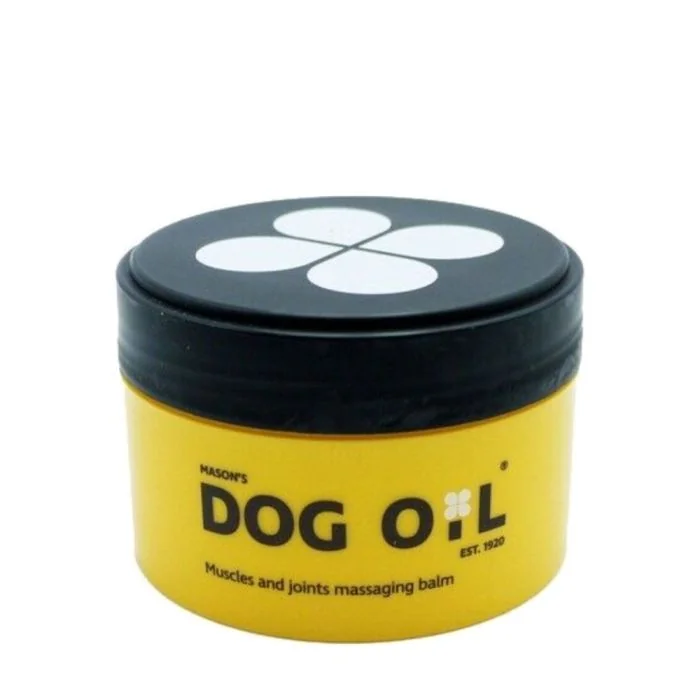
- Mason's 100g Dog Oil for Massaging is sold as a massage balm, not as a formula specifically developed or clinically tested for canine arthritis.
- Its full ingredient list, current price, and dosing instructions aren't confirmed in the sources available to us.
- Customer reviews are largely positive, but many describe human use rather than use on a dog, and none amount to clinical evidence.
- Real science on CBD and canine osteoarthritis exists, but it concerns oral CBD, not a topical massage oil like this one.
You're likely reading this because your dog is moving less easily, seems stiff after resting, or is showing early signs of joint pain, and a search for relief options turned up Mason's Dog Oil. It's marketed as a massage product, but nothing in the information available confirms a formula built for arthritis or any measured effect on dogs. This review separates the testimonials, the verifiable facts, and what genuinely remains unknown.
Before applying anything, watch how your dog moves and speak to a vet if pain, limping, or stiffness has come on suddenly. Our dog health section is also a useful starting point for placing a product like this within a broader care routine.
The Product We're Reviewing: Mason's Dog Oil
The product under review is Mason's 100g Dog Oil for Massaging. Its name and packaging tie it to massage, but the sources available don't confirm that it treats canine arthritis or targets a specific joint, like the hip.
To build this review, we weighed four criteria:
- how clearly the product's information is presented;
- the uses actually described in customer testimonials;
- the difference between reviews from human users and reviews about dogs;
- the level of evidence available on oils and joint pain generally.
Dog Oil vs. Massage Oil vs. Essential Oils vs. CBD
The word "oil" covers genuinely different categories of product. An oil applied to the skin isn't comparable to a CBD oil taken orally. A concentrated essential oil shouldn't be treated as a simple topical either, or assumed to be automatically suitable for dogs just because it's labelled an oil for dogs.
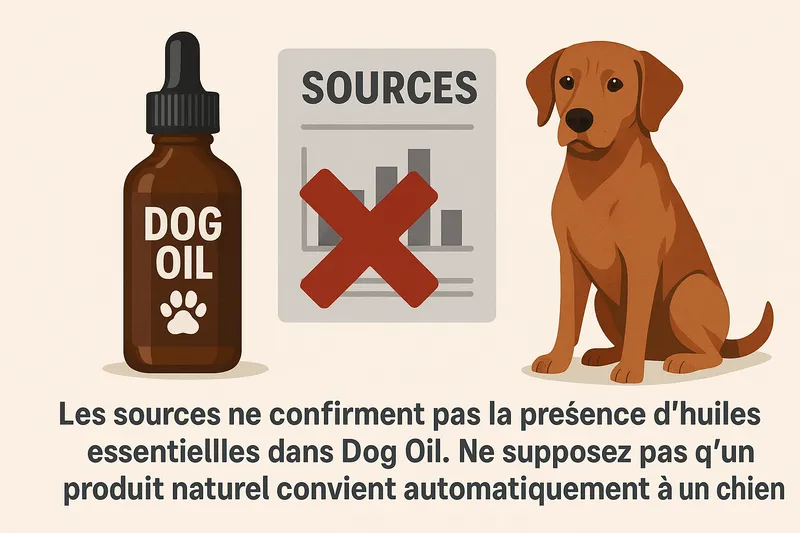
The sources available don't confirm the presence of CBD, essential oils, or any other specific active ingredient in this product. Its full composition and formulation aren't publicly confirmed.
Checking the Claims, the Ingredients, and the Instructions
A properly documented product listing should state its ingredients, intended use, precautions, application frequency, and the situations that call for professional advice. Several of these are missing here.
Don't infer safety or effectiveness from the product name alone. Easy application or a lack of odour doesn't prove an oil affects arthritis, inflammation, or joint pain.
Price, Sizing, and the Claims on the Packaging
The source available confirms a 100g size for Mason's Dog Oil. The current price, other sizes, and shipping terms aren't confirmed, so treat the current price as unverified until you check the seller's own listing.
What's Actually Verifiable on Pricing
Price can vary by seller, country, and stock levels. One older review mentioned the product becoming hard to find in some shops, without offering a reliable price comparison. Check the seller's listing directly before buying.
Worth confirming before you order:
- the weight stated on the container;
- the full ingredient list;
- usage instructions and any stated dosage;
- shipping costs and the return policy.
Comparing the "Relief" Claim to What's Actually Described
Reviews associate the product with the act of massaging and with relief from certain aches. They don't establish that it treats the underlying cause of arthritis, slows its progression, or replaces veterinary treatment.
The word "relief" deserves a cautious reading here. A dog can seem more comfortable after being massaged without the oil itself explaining that improvement, and nothing here demonstrates a measurable reduction in pain.
Using It on a Dog With Arthritis
The source available doesn't describe a full application method for dogs specifically, and it doesn't confirm quantity, frequency, or how long a trial period should run. These details aren't publicly confirmed.
Ease of Use and Precautions
Several human reviewers describe easy application and no noticeable smell. That doesn't mean the experience will be identical on a dog, particularly one that licks treated skin or has sensitive skin. How well a dog tolerates it can shape how a given owner ends up rating the product.
If a vet approves a trial, follow their guidance only. Avoid the eyes, mouth, wounds, and irritated skin. Watch for licking, redness, itching, or any behaviour change afterward.
When a Vet Visit Becomes Essential
A professional should examine your dog if limping appears suddenly, if your dog stops putting weight on a paw, if pain is increasing, or if their overall condition changes. These signs can point to something other than known arthritis, and how serious they are needs proper assessment. If your dog is limping, our guide on what makes a dog start limping after a walk covers the wider list of causes worth ruling out.
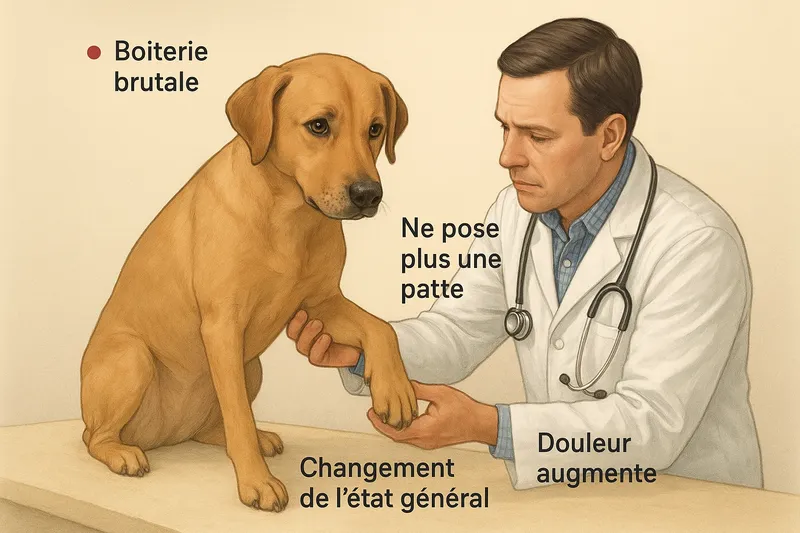
A vet can also confirm whether massage is appropriate for the joint involved in the first place. The wrong technique can add discomfort to an already painful joint, and a vet can advise if a different approach to pain management is needed instead.
Customer Reviews and Reported Experiences
The listing we reviewed shows a rating of 4.8 out of 5, based on 81 ratings, with 70 visible written reviews. It also reports 94% of buyers recommending it, 92% rating it good value, and 97% rating it good quality. These figures describe buyer opinion, not a clinical result in dogs or a measured reduction in pain.
You can review this data yourself in the listing's own customer reviews.
What Reviewers Say About Pain and Mobility
One buyer describes using the oil on a 10-year-old dog with an Achilles tendon issue, reporting good results, and later recommending it for another dog with a shoulder problem.
These accounts read as genuinely positive, but they remain individual. They don't always state the diagnosis, the other care the dog received, or how the improvement in mobility was actually measured.
Separating Human Reviews From Dog Reviews
A number of the reviews concern adult humans, not animals. One mentions arthritis-related pain, another describes improvement after an arm injury, and one notes mild skin irritation.
None of that confirms how the product is tolerated by dogs. Skin sensitivity, licking behaviour, and ingestion risk all differ by species, so it's worth not assuming a human experience will translate directly to a pet.
The Limits of Reviews Published Online
A customer review can flag a genuinely interesting experience, but it isn't a substitute for a controlled trial. Testimonials can conflate the effect of massage itself, rest, another intervention, or the natural course of symptoms.
A star rating reflects buyer satisfaction. It doesn't measure pain reduction, mobility, or long-term safety in dogs. Properly evaluating a product like this would also mean looking into the diagnoses and treatments involved in each case.
What the Evidence Actually Says About Oils for Dogs
The scientific evidence we could find concerns oral CBD in dogs with osteoarthritis specifically. It doesn't validate this particular product, presented here as a topical oil whose composition isn't fully documented, and it doesn't support conclusions about canine osteoarthritis based on testimonials alone.
Topical Oils vs. Oral CBD
A systematic review and meta-analysis has looked at CBD interventions in animals, including oil administered orally. The authors report results suggesting a possible reduction in certain pain scores, while still calling for caution.
None of that proves an oil applied to the skin produces the same effect, and none of it proves this specific product contains CBD at all. A CBD oil can have a different composition and use case from a topical product. See the study on CBD and canine osteoarthritis for the distinction.
Individual Testimonial vs. Clinical Result
An owner can genuinely observe improvement without being able to pin down its cause. Evaluating a product properly would require knowing the diagnosis, tracking symptoms with a consistent method, and accounting for any other care involved.
A positive review isn't enough to recommend this oil to every dog with arthritis. Clinical studies on other substances don't automatically count as evidence for this specific formula.
Essential Oil Safety Concerns
The sources available don't confirm essential oils are present in this product. Don't assume a "natural" product is automatically safe for a dog: a plant-derived ingredient or extract can behave very differently depending on concentration and exposure.
If the listing does indicate essential oils, check with a vet before applying it. Avoid any risk of ingestion, and stop use if your dog shows an unusual reaction.
What's Genuinely Documented in Its Favour
The information available does support a few positive points, without turning them into medical evidence.
- The listing we reviewed shows a large number of favourable customer reviews.
- Some testimonials describe use on dogs with a tendon or shoulder issue.
- Human reviewers describe easy application and no noticeable odour.
- The 100g size is clearly and consistently tied to the reviewed product.
Who Might Consider Trying It, Under Supervision
This oil could interest an owner looking for a complementary, hands-on product who accepts a limited level of evidence. Any use should stay supervised, especially for a dog with a diagnosed joint condition. A broader approach, weight, activity level, and comfort included, can help, but it shouldn't replace the care your dog actually needs.
Limitations, Precautions, and Alternatives Worth Knowing
Weak Points and Unverified Claims
- The full ingredient list isn't confirmed in the sources available.
- Current pricing and detailed usage instructions aren't publicly confirmed.
- Testimonials don't measure long-term effectiveness in dogs.
- A significant share of reviews concern human users, not dogs.
- Nothing in the source confirms a treatment specifically targeting canine arthritis.
Why an Oil Doesn't Replace Ongoing Arthritis Care
Arthritis can reduce mobility, disrupt sleep, and lower a dog's quality of life. Depending on the diagnosis, proper management can involve weight control, adapted exercise, prescribed treatment, and regular check-ups. Some medications, like NSAIDs, should only be used on veterinary advice.
A topical oil could potentially complement a routine already approved by a vet. It shouldn't replace an exam, a treatment plan, or ongoing symptom tracking.
Alternatives Mentioned in the Research, Including CBD and Veterinary Care
Oral CBD appears in the scientific data we found, but it belongs to a different category from this oil. CBD is a compound distinct from THC, and its potential action may involve the body's cannabinoid receptors. Using it in dogs still requires veterinary guidance, particularly to check for interactions with other treatments and its effect on metabolism.
Other supplements, like glucosamine or chondroitin sulfate, are sometimes mentioned for joint comfort, without being a universal solution. Their value depends on the diagnosis and each dog's specific situation.
Veterinary care remains the priority option whenever pain persists, increases, or limits a dog's movement.
Key takeaways
Mason's Dog Oil is sold as a massage balm, not a clinically tested arthritis treatment, and its full ingredient list and current price aren't publicly confirmed. Reviews are largely positive but mix human and dog use, and none amount to clinical evidence. Real science on CBD and canine osteoarthritis concerns oral CBD, not a topical oil like this one. Treat it, at most, as a supervised complement to veterinary care, never a replacement for it.
Verdict: Who Might This Review Actually Help?
Mason's dog oil arthritis reviews show favourable customer feedback and a handful of testimonials involving dogs. Even so, the evidence stays anecdotal, and the full composition isn't verified. We'd treat this product as an oil to consider cautiously, not as a demonstrated treatment for canine arthritis.
If your dog is in significant pain, suddenly limping, losing mobility, or not responding to your usual routine, prioritise a vet exam over an oil. In short: Mason's Dog Oil may interest an owner looking for a supervised, complementary massage product, but we wouldn't recommend it as a primary solution for a dog's arthritis.
This page may contain affiliate links in the future. See our affiliate disclosure.
Frequently asked questions
Can an oil actually relieve a dog's arthritis?
It may seem to help some dogs based on individual reports, but the available sources don't confirm any clinical effectiveness for Mason's Dog Oil against canine arthritis specifically. There's no basis for claiming it reduces pain in dogs generally.
Are essential oils safe for dogs?
Safety depends entirely on the specific oil, its concentration, and how it's used. Since this product's exact composition isn't confirmed, ask a vet before using it, especially on a dog prone to licking treated skin.
How should I read the customer reviews on this product?
Treat them as personal accounts, not evidence. Separate reviews that mention a dog from the many that describe a human user, and be cautious of testimonials that don't mention a diagnosis or how improvement was actually tracked.
Should I ask a vet before trying it on my dog?
Yes, particularly if your dog is already in pain, on another treatment, prone to licking, or has sensitive skin. A vet can also confirm whether massage itself is appropriate for the joint involved.