
Swollen Paws in Dogs: The Role of Allergies
By Paw Province Editorial · Published September 15, 2026
TL;DR
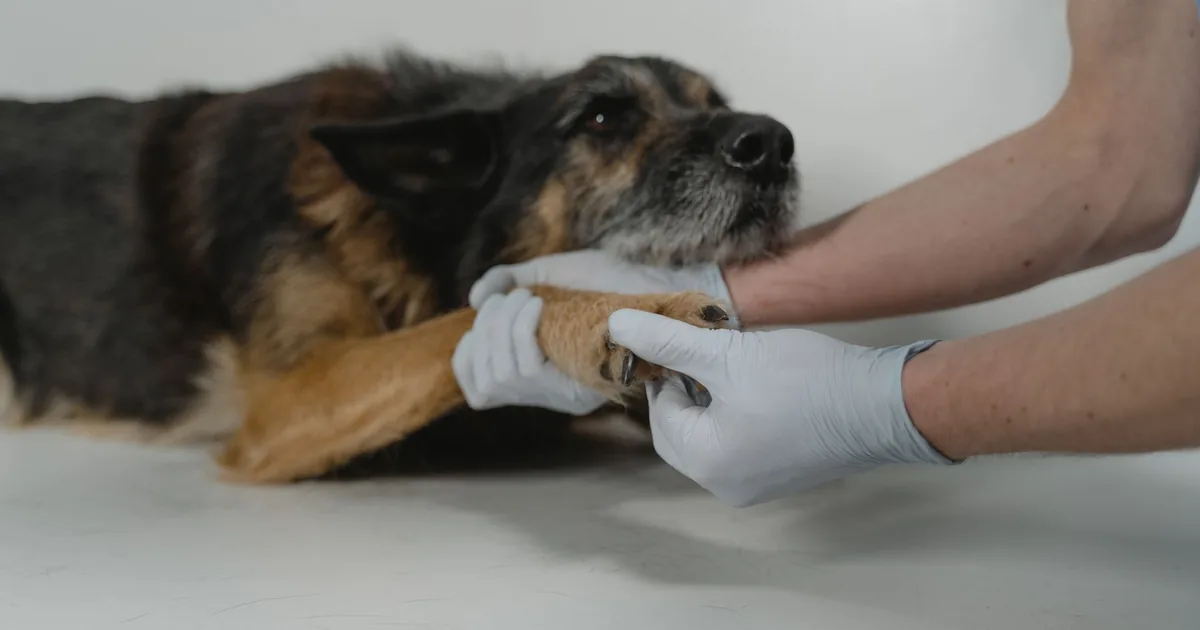
Swollen paws in dogs are frequently an allergic reaction rather than an injury, and telling the two apart matters for how you respond. Environmental allergies (pollen, dust, mould) tend to be seasonal and affect paws that touch outdoor ground. Food allergies are usually year-round and often paired with ear or digestive symptoms. Contact allergies show up shortly after touching a specific surface or product. Gradual swelling on more than one paw, with itching rather than sharp pain, points toward allergy; sudden swelling on one paw, especially with limping, points toward injury. Recurring swelling deserves proper allergy testing rather than repeated guessing.
You notice one evening that a paw looks puffier than usual, maybe a little warm, maybe your dog has been chewing at it more than normal. The first instinct is often to check for a thorn or a sting, but allergy is just as likely a cause, and a far more common one than most owners expect. This guide breaks down the three main allergy types behind paw swelling, how to tell them apart from an injury, and what actually helps once you've narrowed down the cause.
Why Paws Are a Common Allergy Target
Paws sit at the intersection of two things allergies care about: direct contact with the environment and a high concentration of skin, sweat glands, and thin tissue between the toes. That combination makes paws one of the first places allergic inflammation shows up in dogs, often before more obvious signs appear elsewhere on the body.
Unlike humans, dogs rarely show allergies as sneezing or watery eyes. Skin, and paws specifically, is usually where it plays out instead, which is part of why persistent paw issues in a dog are worth considering through an allergy lens rather than assuming injury every time.
Environmental Allergies: The Seasonal Pattern
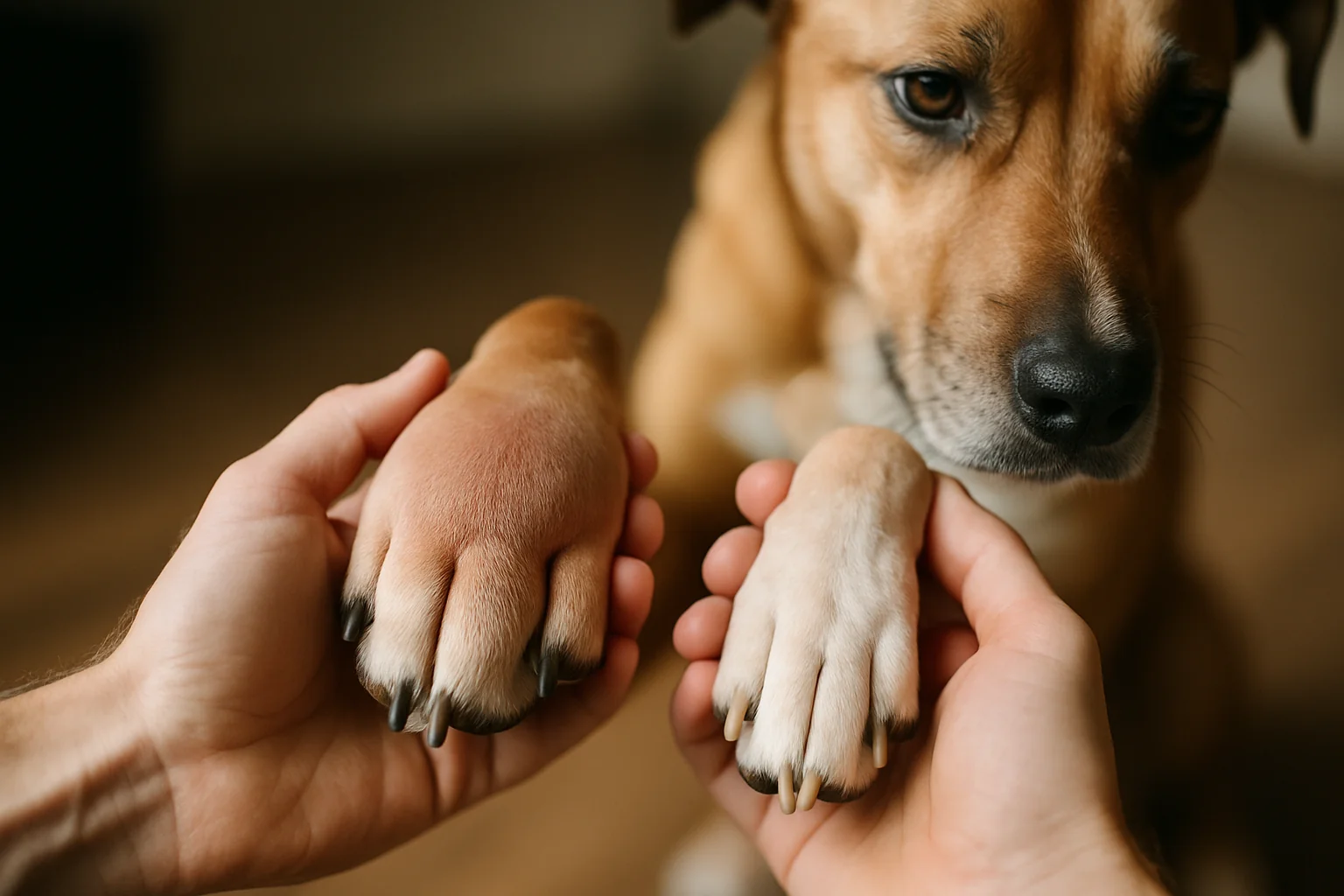
Environmental allergens, pollen, grass, dust mites, and mould among them, trigger what's often called atopic dermatitis, and paws are a primary contact point since they touch grass and ground directly on every walk. Swelling from environmental allergy tends to follow the season of the trigger, worse in spring or summer for pollen-sensitive dogs, and often affects more than one paw at a time.
Licking and chewing usually accompany this type of swelling well before the swelling itself becomes obvious, which connects directly to why dogs lick their paws in the first place; allergy is one of the leading causes behind that licking, not a separate issue.
Food Allergies: Less Obvious, More Year-Round
Food allergies produce similar paw symptoms, itching, redness, mild swelling, but without the seasonal pattern, since the trigger is present in every meal rather than tied to pollen counts or weather. Food allergy in dogs often shows up alongside other signs too, recurring ear infections, digestive upset, or a generally itchier coat, so paw swelling paired with those symptoms is a reasonable prompt to look at diet.
Identifying a specific food trigger usually takes a structured elimination diet under veterinary guidance rather than guesswork, since symptoms overlap heavily with environmental allergy on the surface.
Contact Allergies: Tied to a Specific Surface or Product
Contact allergy is the least common of the three but the most directly traceable. It develops from something the paw physically touches: certain lawn treatments, de-icing salt, some cleaning products, or even specific bedding materials. Swelling from contact allergy tends to appear within hours of exposure and is often limited to the paw or paws that made contact.
If swelling seems to follow a specific walk route, a recently treated lawn, or a new cleaning product at home, contact allergy is worth suspecting before anything more complex, and simply avoiding that surface for a week or two is often the clearest test.
Please read first
This article shares general information and lived experience, not individual veterinary or behavioural advice. If you’re concerned about your pet’s health or behaviour, please consult a vet or a qualified professional.
Telling Allergy Apart From Injury
Timing and pattern are the two most useful clues. Allergic swelling generally builds up gradually over hours or days, tends to involve more than one paw, and comes with itching, licking, or mild discomfort rather than sharp pain. Injury-related swelling, by contrast, usually appears suddenly on a single paw and is far more likely to come with limping or a dog that won't put weight on the foot at all; our guide on why a dog might limp after a walk covers that pattern in more detail.
Checking the paw closely also helps rule out a stuck object or wound as the actual cause; our guide on recognizing signs of paw pain walks through what a physically injured paw typically looks and behaves like, for comparison against an allergic one.
What Helps Once You've Identified a Likely Cause
For environmental or contact triggers, reducing exposure is the most direct lever: rinsing paws after walks in high-pollen season, avoiding recently treated lawns, and switching to pet-safe cleaning products at home. For suspected food allergy, working through an elimination diet with your vet is more reliable than switching foods repeatedly on your own.
In all three cases, mild swelling without other red flags often calms down within a few days once exposure to the trigger stops. Recurring or worsening swelling despite these changes is the point where proper allergy testing, rather than continued guessing, becomes worthwhile.
Key takeaways
Environmental, food, and contact allergies can all cause paw swelling, and paws are one of the first places allergy shows up in dogs. Environmental allergy tends to be seasonal and affects multiple paws; food allergy is more year-round and often paired with ear or digestive issues; contact allergy is tied to a specific surface or product. Gradual swelling with itching suggests allergy; sudden swelling with limping suggests injury. Reducing exposure to the identified trigger is the first practical step. Recurring swelling deserves proper allergy testing.
Frequently asked questions
Can allergies really make a dog's paw swell?
Yes, paw swelling is one of the more common visible signs of allergy in dogs. Environmental, food, and contact allergies can all trigger inflammation concentrated in the paw, sometimes alongside redness, licking, or a warm feeling to the touch.
What's the difference between environmental and food allergies in dog paws?
Environmental allergies (pollen, dust mites, mould) often follow a seasonal pattern and affect paws that touch the ground outdoors. Food allergies tend to be year-round, less tied to a season, and often come with other signs like ear infections or digestive upset.
How can I tell if paw swelling is an allergy or an injury?
Allergic swelling usually develops gradually, affects more than one paw, and comes with itching or licking rather than sudden pain. Injury-related swelling tends to appear on one paw, often suddenly, and is more likely paired with limping or reluctance to bear weight.
Is contact allergy from things like lawn chemicals common in dogs?
It's less common than environmental or food allergy but does happen, particularly after walking on treated grass, salted winter pavement, or certain cleaning products. Contact allergy swelling tends to appear shortly after exposure and often affects the paws that touched the surface.
When does allergic paw swelling need a vet visit?
See a vet if swelling is significant, spreads beyond the paw, comes with sudden difficulty breathing or facial swelling, or keeps recurring without a clear trigger. Recurring swelling usually needs proper allergy testing rather than repeated guesswork.
Want more practical, no-nonsense paw care guidance in your inbox? Join the Paw Province Letter