Preventing a Yeast Infection on a Dog’s Paws
By Paw Province Editorial · Published September 5, 2026
TL;DR
Yeast overgrows on paws that stay warm and damp, so thorough drying after walks, baths, or swimming is the main prevention tool. Trim thick foot fur so air reaches the skin and moisture does not get trapped. Watch for reddish-brown staining, a musty smell, or excessive licking, which usually mean yeast is already established and needs a vet-prescribed antifungal rather than home care alone.
A musty, slightly sour smell coming from your dog's paws, or fur between the toes turning a rusty reddish-brown, usually means yeast has moved in. It is uncomfortable for the dog, frustrating for owners who keep seeing it come back, and easy to prevent once you understand what actually feeds it. This guide covers what causes paw yeast infections in dogs and the specific habits that keep it from taking hold in the first place.
Why Yeast Builds Up on Paws in the First Place
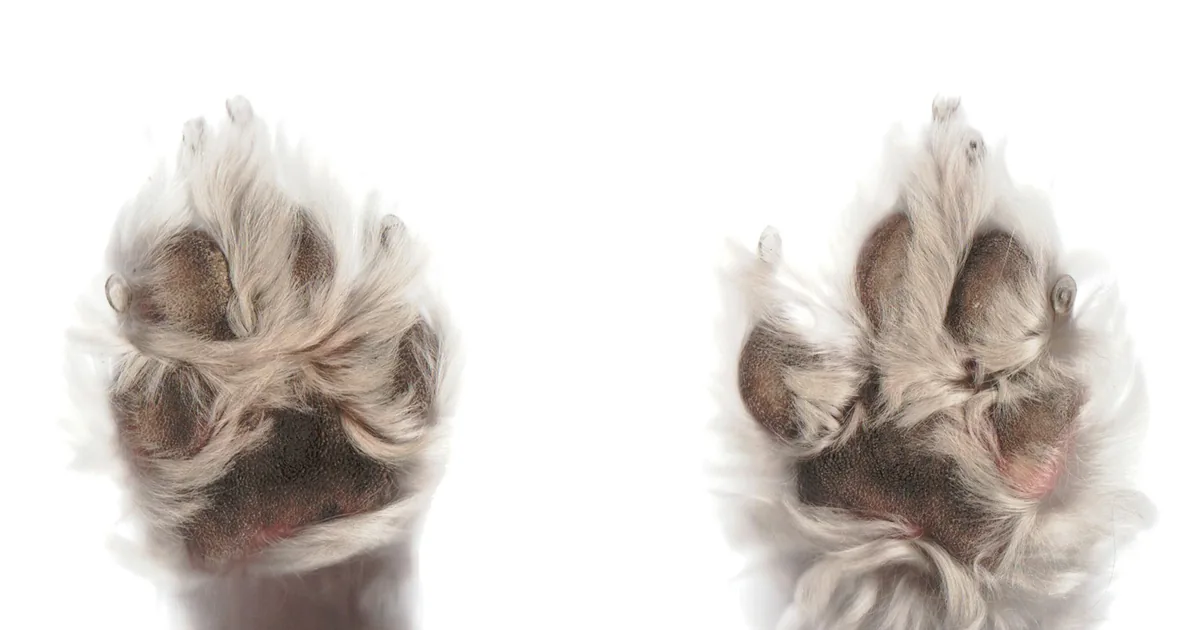
Malassezia, the yeast responsible for most paw infections in dogs, lives on skin in small amounts naturally. It only becomes a problem when conditions favor overgrowth: warmth, moisture, and reduced airflow, exactly what the space between a dog's toes provides after a walk in wet grass or a bath that was not fully dried.
Dogs with allergies are especially prone, since allergic skin produces more oil and stays inflamed, both of which give yeast more to feed on. A dog that already licks its paws frequently due to allergies is often caught in a cycle: licking adds moisture, moisture feeds yeast, and yeast triggers more itching and licking.
Keeping Paws Dry Is the Single Most Effective Habit
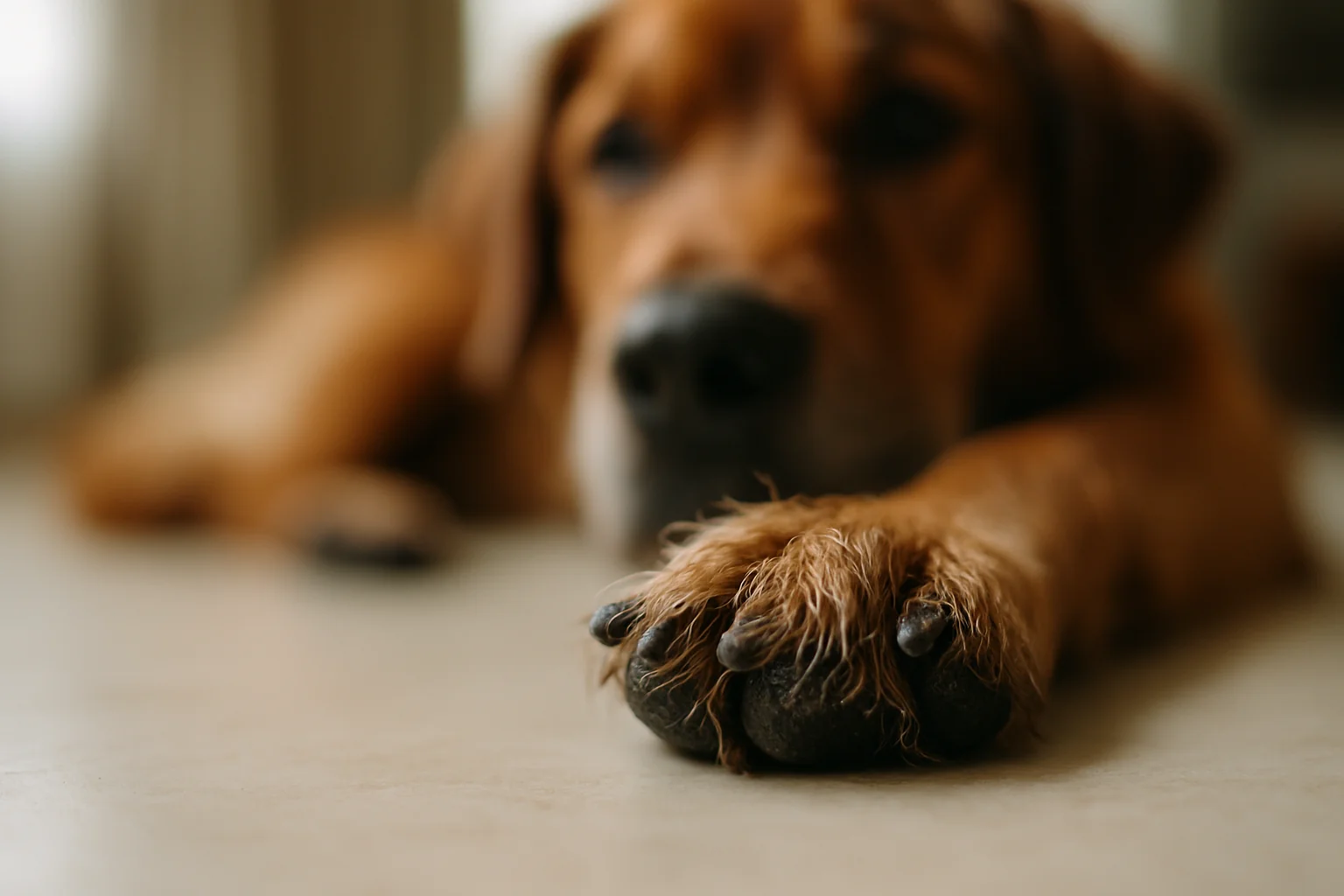
Drying paws thoroughly after every walk, especially in wet weather, is the most reliable prevention step available. A quick wipe is not enough; the fur between the toes needs to be genuinely dry, not just surface-dry, since trapped moisture there is exactly what yeast needs.
Our guide on how to dry a dog's paws properly covers the technique in detail, including which tools actually reach between the toes instead of just the top of the paw. Pairing that with a consistent post-walk paw cleaning routine removes both the moisture and the debris that can irritate skin further.
Trimming Fur to Improve Airflow
Dogs with thick fur between the pads trap moisture more easily than dogs with shorter foot fur. Trimming this fur flush with the pads, without going so short that it exposes the skin to rough ground, lets air reach the area and dry it out naturally between walks.
This is particularly worth doing before wet seasons or if your dog swims or wades regularly. A groomer can show you the safe trim length the first time if you are unsure how close to go.
Please read first
This article shares general information and lived experience, not individual veterinary or behavioural advice. If you’re concerned about your pet’s health or behaviour, please consult a vet or a qualified professional.
Managing the Allergy Behind Recurring Cases
When yeast keeps coming back despite good drying habits, an underlying allergy is often the real driver. Persistent inflammation from an allergy, whether environmental or food-related, keeps the skin's natural balance disrupted and gives yeast a foothold it would not otherwise have.
Our overview of paw swelling caused by allergies explains how to recognize an allergic pattern, and our broader guide to the diseases that cause paw problems in dogs covers how allergies and hormonal conditions both show up first as paw issues in many dogs.
Recognizing an Infection That Needs Treatment
Prevention only goes so far once an infection is already established. Reddish-brown staining on the fur, a musty or slightly sweet smell, skin that looks pink or greasy between the toes, and noticeably increased licking or chewing all point to an active yeast infection rather than something to simply keep monitoring.
At that stage, an antifungal treatment from a vet clears the infection far more reliably than home remedies alone, which often only mask the smell temporarily. For general routine care that helps you catch these signs early, our Dogs section covers everyday paw maintenance beyond yeast prevention specifically.
Key takeaways
Yeast overgrows on paws that stay warm and damp, making thorough drying the most effective prevention habit. Trimming foot fur improves airflow and reduces trapped moisture. Reddish-brown staining, a musty smell, and increased licking usually mean an infection is already established. Recurring cases often trace back to an underlying allergy that needs its own management alongside paw care.
Frequently asked questions
How can I prevent a yeast infection on my dog's paws?
Dry the paws thoroughly after every walk or bath, trim the fur between the toes so air can reach the skin, and manage any underlying allergy that keeps the skin inflamed. Yeast thrives on warm, damp skin, so keeping paws dry is the single most effective habit.
What does a yeast infection on a dog's paw look like?
Reddish-brown staining on the fur, a musty or "corn chip" smell, and skin that looks pink, greasy, or slightly thickened between the toes are the classic signs. The dog usually licks or chews the area more than usual too.
Are some dogs more prone to paw yeast infections than others?
Yes. Dogs with allergies, heavy foot fur, skin folds, or that swim or wade frequently are at higher risk. Breeds with a history of allergic skin issues tend to develop recurring yeast problems more than dogs with no allergy background.
Can I treat a paw yeast infection at home?
Mild, early cases sometimes improve with better drying habits and cleaning, but a confirmed yeast infection usually needs an antifungal treatment from a vet. Home care alone rarely clears an established infection and can let it recur.
Does diet affect yeast infections on a dog's paws?
Indirectly, yes. Diets that trigger or worsen allergies can keep the skin inflamed and more hospitable to yeast overgrowth. A vet can help identify whether a food sensitivity is part of a recurring pattern.
Want more practical, realistic guidance like this for everyday paw care? Join the Paw Province Letter