
When to See a Vet About Your Dog’s Paw
By Paw Province Editorial · Published September 10, 2026
TL;DR
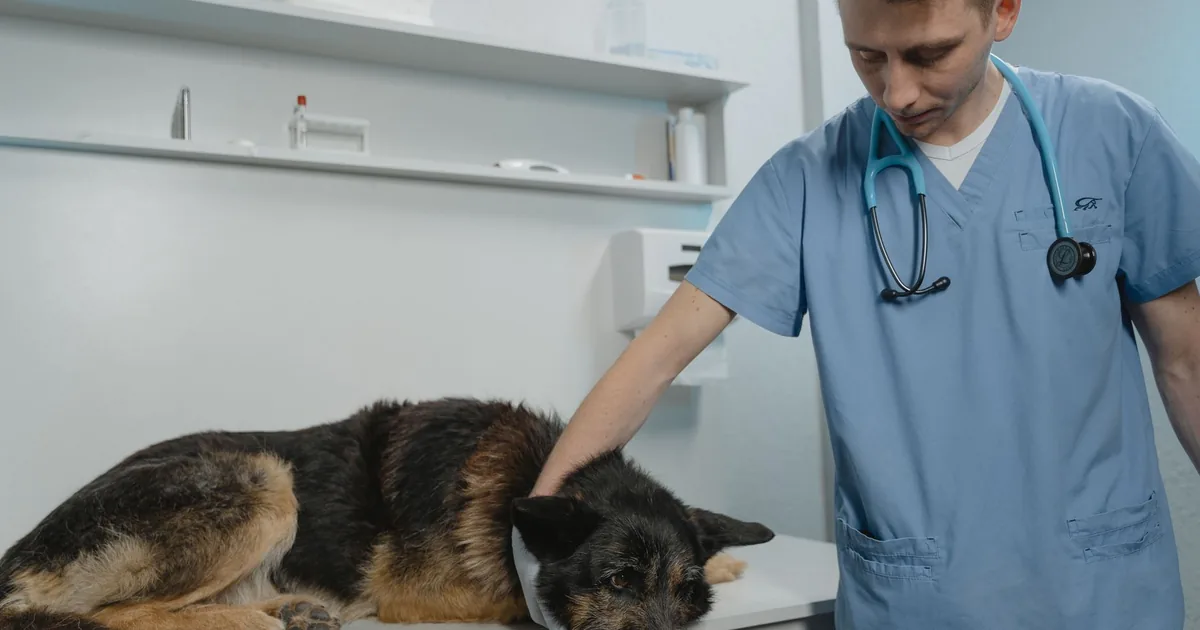
A dog refusing to bear any weight, bleeding that will not stop, severe swelling, or a deeply embedded object all need a same-day vet visit. Mild issues, like a brief limp or a small clean cut, can usually be watched for 24 to 48 hours first. Heavy uncontrolled bleeding, a visibly deformed paw, or a collapsed dog are emergencies that need immediate care, not a scheduled appointment.
Your dog is limping, or licking a paw more than usual, and you are stuck weighing two bad options: rushing to the vet for something that turns out to be minor, or waiting it out on something that actually needed attention sooner. Most owners have faced this exact moment. This guide sets out concrete, practical thresholds, not vague reassurance, so you can make that call with more confidence next time.
Signs That Mean Same-Day Attention
Certain signs consistently point to something that should not wait. A dog that refuses to put any weight at all on the paw, holding it fully off the ground, is showing a level of pain that rarely resolves with rest alone. A wound that keeps bleeding despite firm pressure for 10 minutes, or swelling that appears suddenly and looks significant, both fall into the same category.
A foreign object that is deeply embedded, broken off, or clearly causing intense pain when you try to check it also warrants same-day care rather than a home attempt. Our guide on removing a foreign object from a dog's paw covers exactly which situations are safe to handle at home and which are not.
Signs That Are Usually Fine to Watch for a Day or Two
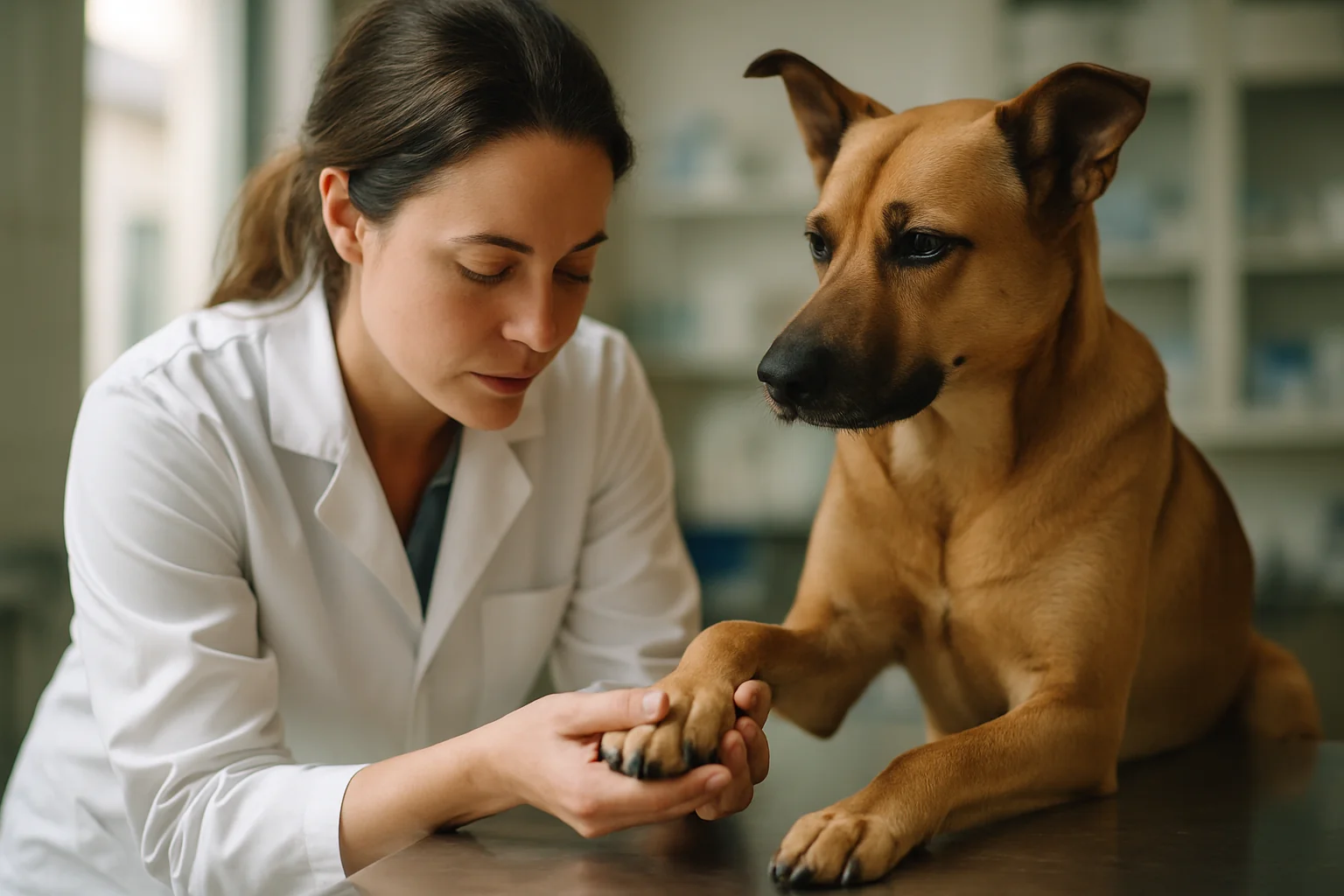
Not every paw issue needs an immediate appointment. A mild limp that clearly improves within a few hours, with the dog still eating, drinking, and behaving normally otherwise, often just needs rest. A small, clean cut that has stopped bleeding and does not look deep can usually be cleaned and monitored at home first.
For these milder situations, a 24 to 48 hour window of watching, while keeping the dog calm and the area clean, is a reasonable approach. Our guide on what to do if your dog has a paw wound covers exactly how to clean, protect, and track a minor wound during that window.
What Counts as a True Emergency
A short list of signs should override any wait-and-see instinct entirely. Heavy bleeding that continues despite steady pressure, a paw or leg that looks visibly deformed, twisted, or dangling, sudden and severe swelling paired with obvious distress, and a dog that collapses or cannot stand at all are all emergencies. These need immediate veterinary care, ideally an emergency clinic if it happens outside normal hours, rather than the next available routine appointment.
Please read first
This article shares general information and lived experience, not individual veterinary or behavioural advice. If you’re concerned about your pet’s health or behaviour, please consult a vet or a qualified professional.
Reading the Bigger Picture, Not Just the Paw
The paw rarely tells the whole story on its own. A dog that seems generally unwell alongside a paw issue, lethargic, off their food, or reluctant to move much at all, deserves more urgency than the paw symptom alone might suggest. Our guide on the signs that show a dog is in paw pain can help you read the wider picture of discomfort more accurately.
Recurring paw issues that keep coming back despite reasonable home care are also worth a vet visit, even without a dramatic single symptom, since that pattern can point to an underlying condition rather than a one-off injury; our overview of the diseases that cause paw problems in dogs covers what that can look like.
Making the Call With More Confidence
When in doubt, calling the clinic and describing what you are seeing costs nothing and often settles the question quickly; a vet team can tell you over the phone whether it sounds like something to bring in now or watch overnight. Keeping a simple mental checklist, weight-bearing, bleeding, swelling, overall behavior, turns a stressful guessing game into a quick, structured decision.
For broader everyday paw care that helps you catch problems before they escalate to this point, our Dogs section covers routine habits worth building into your normal routine.
Key takeaways
Refusing all weight on a paw, uncontrolled bleeding, severe swelling, and deeply embedded objects need same-day care. Mild limps and small clean cuts can usually be watched for 24 to 48 hours first. Heavy bleeding, a deformed paw, or a collapsed dog are true emergencies needing immediate attention. Recurring paw issues, even without a dramatic symptom, are worth a vet visit to rule out an underlying cause.
Frequently asked questions
When should I take my dog to the vet for a paw problem?
See a vet same-day for a dog that will not put any weight on the paw, a wound that will not stop bleeding, obvious severe swelling, or a deeply embedded object. For milder issues without those signs, 24 to 48 hours of monitoring at home is usually reasonable first.
Is a limp always a reason to see a vet right away?
No. A mild limp that improves within a few hours of rest, with the dog still eating and moving normally otherwise, can usually be watched at home. A limp that persists past a day, worsens, or comes with total weight refusal needs veterinary attention.
How long can I safely wait and watch a paw issue before calling a vet?
For minor issues, like a small clean cut or mild swelling from a knock, 24 to 48 hours is a reasonable window, provided the dog is comfortable and there is no sign of worsening. Beyond that window without improvement, book an appointment.
What paw symptoms always mean an emergency vet visit?
Heavy bleeding that will not stop with pressure, a paw that looks visibly deformed or dangling, sudden severe swelling with obvious pain, or a dog collapsing or unable to stand at all are emergencies that need immediate veterinary care, not a scheduled appointment.
Should I call ahead before bringing my dog in for a paw problem?
Yes, when possible. Calling ahead lets the clinic prepare, tells you whether to come in immediately or if a same-day slot is fine, and gives you a chance to describe symptoms so the team knows what to expect when you arrive.
Want more practical, realistic guidance like this for handling paw problems with confidence? Join the Paw Province Letter