
Why Your Dog’s Paws Smell Bad
By Paw Province Editorial · Published September 13, 2026
TL;DR
A faint corn-chip or popcorn smell on a dog's paws is normal and comes from harmless bacteria and yeast reacting with sweat between the pads. It becomes worth checking when the smell turns sharp or sour, gets noticeably stronger, or shows up alongside redness, swelling, or constant licking. Poor drying after walks and dense fur between the toes are the two biggest everyday causes of stronger-than-usual odour. A quick wipe-and-dry routine after walks keeps most cases mild without any extra products. See a vet if the smell is sudden, strong, and paired with visible irritation.
You lean down to check your dog's paw and catch it: that unmistakable corn-chip smell, sometimes charming, sometimes making you wonder if something is actually wrong. Most of the time it's completely normal, a byproduct of skin bacteria doing exactly what skin bacteria do. But paw smell can also shift, and knowing what a change actually means saves you from either ignoring a real issue or worrying over nothing. This guide explains where the smell comes from, what changes are worth noticing, and how to keep it under control.
Where the "Corn Chip" Smell Actually Comes From
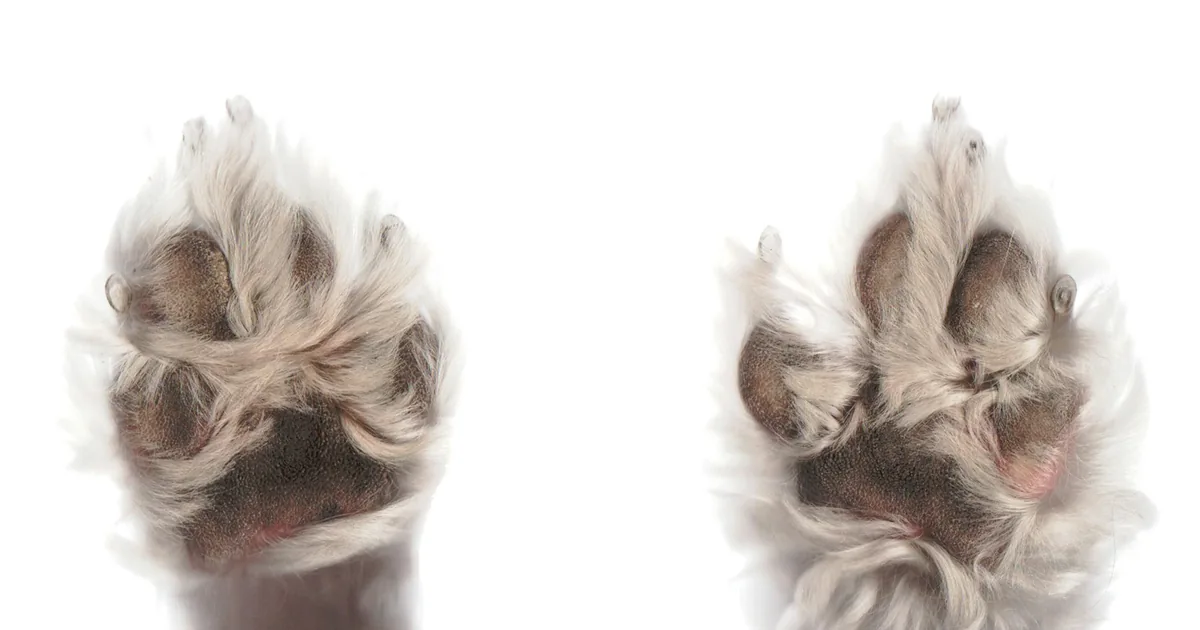
Dog paws carry a high concentration of sweat glands, mostly located between the pads, and this constant low-level moisture creates a friendly environment for the bacteria and yeast that already live harmlessly on your dog's skin. Two of the most common species, Proteus and Pseudomonas, produce a warm, slightly nutty odour that people often compare to corn chips or popcorn, hence the popular nickname "Frito feet."
This is not a sign of poor hygiene or a health problem on its own. It is simply what happens when normal skin flora meets warm, slightly damp fur in an enclosed space, which describes almost every dog paw to some degree.
When the Smell Crosses From Normal to Concerning
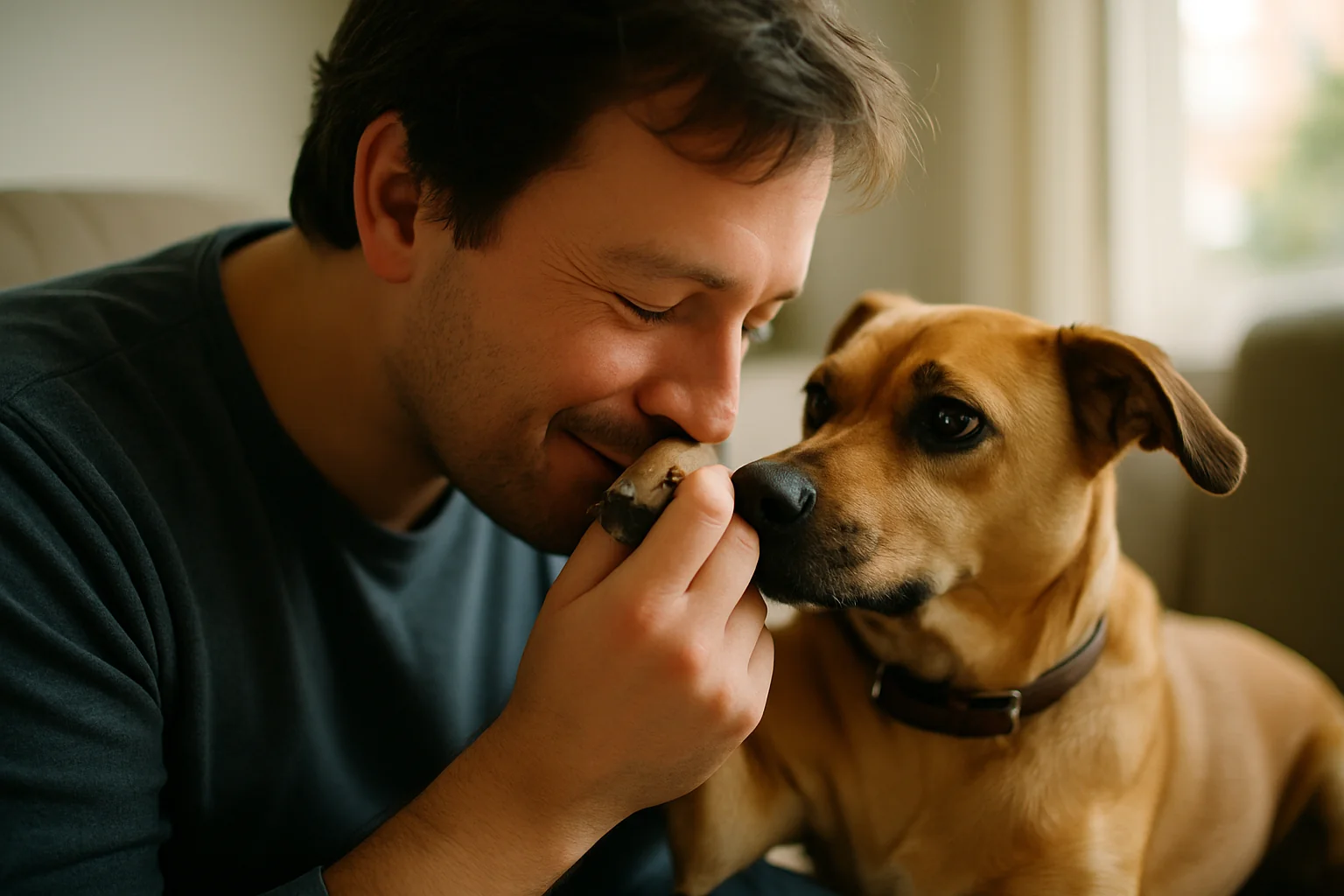
The distinction that matters is change, not presence. A faint, fairly consistent smell that has always been there is unlikely to be a problem. A smell that has become noticeably stronger, turned sour or sharp rather than warm and mild, or appeared suddenly where it wasn't there before is a different story.
Smell alone rarely tells the whole picture, so check what's happening around it. Redness between the toes, a paw your dog keeps licking more than the others, or fur that looks damp or matted in one specific spot all point toward something worth investigating rather than ordinary paw odour.
The Most Common Cause of a Stronger Smell: Interdigital Infection
When paw smell genuinely worsens, an interdigital yeast or bacterial infection is the most frequent explanation. These infections thrive in the same warm, moist conditions that cause the normal smell in the first place, just at a higher concentration, and they usually come with visible signs beyond the odour itself. Our guide on recognizing an interdigital infection in dogs covers the visual cues to check for alongside the smell.
Dogs with allergies are more prone to these infections because allergic skin is more inflamed and more welcoming to yeast overgrowth to begin with, which is one reason a sudden smell change is often paired with licking; our guide on preventing yeast infections on dog paws goes into the connection in more depth.
Please read first
This article shares general information and lived experience, not individual veterinary or behavioural advice. If you’re concerned about your pet’s health or behaviour, please consult a vet or a qualified professional.
Practical Ways to Keep the Smell Mild
Drying is the single biggest lever most owners have. Wet paws left to air-dry on their own hold onto moisture between the toes for far longer than a quick towel dry, so making a habit of drying your dog's paws properly after every walk cuts down on the conditions that let odour-causing bacteria multiply.
Fur length matters too. Dogs with thick fur between the pads trap more moisture and debris than dogs with shorter paw fur, so trimming that fur down (carefully, and close to the skin) reduces the amount of damp material sitting against the paw all day. Keeping nails at a length where toes don't spread or overlap also helps air circulate properly between them.
Building a quick wipe-and-check into your routine after every walk, similar to cleaning your dog's paws after a walk, catches both smell changes and physical issues early, before either one has a chance to get worse.
What a Realistic Routine Looks Like Week to Week
Most dogs need nothing more elaborate than a towel wipe after muddy or wet walks and an occasional closer look between the toes once a week. Dogs prone to allergies, dogs with dense paw fur, or dogs that swim or walk through wet grass often benefit from a slightly more frequent check, since their paws stay damp for longer stretches of the day.
If the smell has been consistent and mild for as long as you've owned your dog, there's rarely a reason to change anything. It's a genuine shift, stronger, sourer, or sudden, that's worth acting on.
Key takeaways
A mild corn-chip smell is a normal result of harmless skin bacteria and sweat, not a hygiene failure. Watch for change rather than presence: stronger, sourer, or sudden smell is the real signal. Interdigital infections are the leading cause when smell genuinely worsens, often alongside redness or licking. Drying paws thoroughly after walks is the most effective everyday prevention. See a vet if a strong smell shows up with swelling, redness, or persistent licking.
Frequently asked questions
Why do my dog's paws smell like corn chips?
That smell, often nicknamed "Frito feet," comes from ordinary bacteria and yeast that naturally live on the skin, interacting with sweat in the paw. It's harmless in most dogs and simply part of having sweat glands concentrated between the pads.
Is it normal for a dog's paws to smell at all?
Yes, a faint, warm, slightly yeasty smell is normal and common, especially in dogs with fur between the toes. It becomes worth checking when the smell turns sharp, sour, or strong enough to notice from across the room.
What does an infected paw smell like compared to normal?
A normal paw smell is faint and doesn't change much day to day. An infected paw tends to smell noticeably stronger, sour or yeasty in a more pungent way, and is usually paired with redness, licking, or visible discharge between the toes.
How can I reduce the smell on my dog's paws?
Wipe paws after walks, dry thoroughly between the toes, trim excess paw fur, and keep nails short enough that toes don't overlap and trap moisture. Regular drying is usually the single biggest factor in keeping the smell mild.
When does paw smell mean I should see a vet?
See a vet if the smell is strong, sudden, or worsening, especially alongside redness, swelling, limping, or constant licking at one paw. That combination usually points to an infection rather than ordinary paw odour.
Want more practical, no-nonsense paw care guidance in your inbox? Join the Paw Province Letter